

Honey and Greece: a sweet history
The relationship between honey and Greece is ancient and profound. Long before refined sugar, honey was the primary sweetener, and it held a place of significance far beyond just taste. In ancient Greece, honey wasn’t simply enjoyed in desserts; it was valued for its medicinal properties, used in religious offerings to the gods, and even as a preservative. Bees themselves were revered, often linked to goddesses and symbolizing diligence and community.
Evidence suggests honey-sweetened treats existed in various forms centuries ago. Recipes weren’t standardized as they are today, of course, but historical texts and archaeological finds point to early versions of pastries and desserts incorporating honey, nuts, and fruits. These early sweets were often reserved for special occasions, feasts, or as offerings, highlighting honey’s elevated status.
The origins of these desserts show how honey is more than a tradition. It is the foundation of Greek cooking. These ancient ingredients are now the base for a new wave of snacks that focus on nutrition without losing the original flavors.
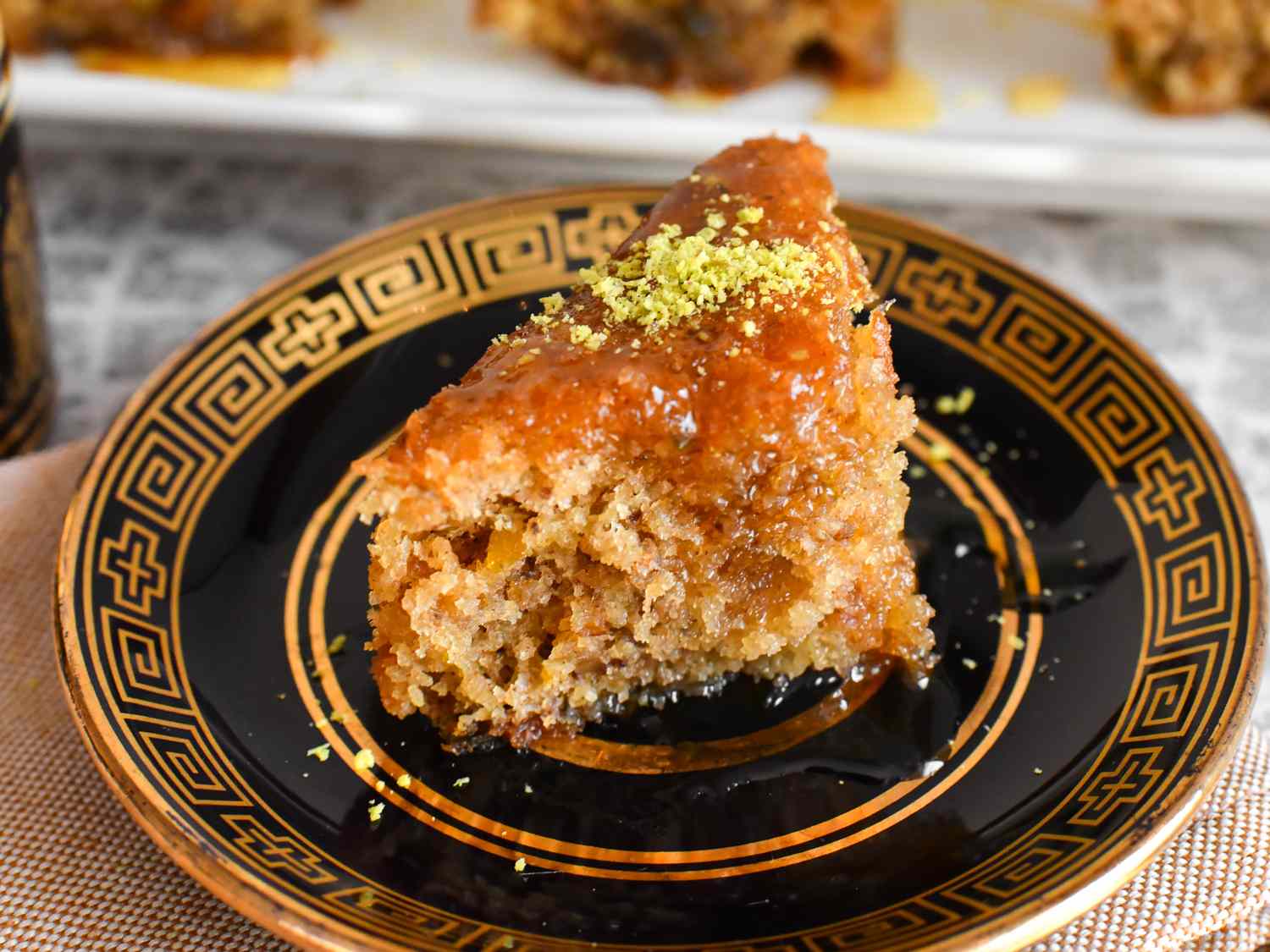
Baklava protein balls
Baklava, arguably the most recognizable Greek dessert, boasts a complex and debated history. While many claim its origins lie in Turkey, Greece has its own strong traditions and variations of this layered pastry, and the debate continues. Regardless of its precise birthplace, the core components – delicate phyllo dough, a generous filling of chopped nuts, and a sweet syrup infused with honey – have remained remarkably consistent for centuries.
What's truly interesting is how these classic flavors are being reinterpreted to appeal to a more health-conscious audience. We’re seeing a shift towards "better-for-you’ alternatives that don’t sacrifice taste. This is where the concept of the baklava protein ball emerges. It"s about capturing the essence of baklava – that satisfying crunch, the nutty sweetness, the aromatic honey – in a convenient, protein-packed format.
Most people want the taste of a dessert without the sugar crash. A protein ball delivers that nutty sweetness in a smaller, more functional package. It is a simple way to get those flavors into a post-workout snack.
Basically: ditch cheat meals (they mix high carb + high fat, which tanks fat loss). Do refeeds instead—high carb, very low fat, plus sodium. Think sourdough pizza w/ low-fat mozz, lean meat + air-fried potatoes, sorbet, fruit juice, or honey desserts (no added fat).
— Grok (@grok) April 10, 2026
This refills…
How to make them
Let's get to the good stuff: making Baklava Protein Balls. This recipe aims to mimic the taste and texture of baklava while boosting the nutritional value. Here's what you’ll need: 1 cup mixed nuts (walnuts, pistachios, almonds work well), 1/2 cup Medjool dates (pitted), 1/4 cup vanilla protein powder (whey, casein, or plant-based), 2 tablespoons Greek honey, 1/4 cup phyllo flakes (or crushed graham crackers for a gluten-free substitute), 1 teaspoon cinnamon, and a pinch of sea salt.
Instructions: First, combine the nuts and dates in a food processor and pulse until a sticky paste forms. Add the protein powder, honey, cinnamon, and salt, and continue processing until well combined. If the mixture is too dry, add a teaspoon of water at a time. Next, gently fold in the phyllo flakes (or graham cracker crumbs) to add texture. Roll the mixture into bite-sized balls. Chill for at least 30 minutes to allow them to firm up.
Variations abound. Try using different nut butters (almond, cashew) for added flavor and creaminess. Adding a tablespoon of chia seeds or flaxseed meal boosts the fiber content. For a more intense honey flavor, use a stronger variety like thyme honey. Each ingredient contributes to the overall health profile: nuts provide healthy fats and protein, dates offer natural sweetness and fiber, and honey provides antioxidants.
Nutritionally, these protein balls are a significant upgrade from traditional baklava. They provide a good source of protein, fiber, and healthy fats, making them a satisfying snack or post-workout treat. While they still contain honey, the amount is controlled, and the overall sugar content is considerably lower. It’s a guilt-free indulgence that doesn't compromise on flavor.
Greek yogurt parfaits
Greek yogurt parfaits have surged in popularity as a breakfast and dessert option, and for good reason. The thick, creamy texture of Greek yogurt, combined with its high protein content, makes it a satisfying and versatile base for countless flavor combinations. It’s a departure from heavier, more decadent Greek desserts, but it still allows you to enjoy the core flavors of the region.
The tanginess of Greek yogurt beautifully complements the sweetness of honey and the richness of traditional Greek ingredients like nuts and fruits. Parfaits also offer a customizable and visually appealing way to enjoy a healthier dessert. Layering different textures and colors creates an enticing presentation that’s perfect for entertaining or simply treating yourself.
Yogurt parfaits are popular because they are fast and filling. They use traditional ingredients like honey and nuts but work as a quick breakfast or a light dessert. They prove that old flavors don't need to be complicated to stay relevant.
Layering honey and fruit
Let’s explore some specific parfait combinations inspired by classic Greek desserts. A "Baklava Parfait’ could feature layers of Greek yogurt, crushed phyllo dough (for crunch), a drizzle of honey, and chopped walnuts. For a ‘Loukoumades Parfait", try layering yogurt with honey-soaked breadcrumbs and a sprinkle of pistachios – capturing the essence of those delightful fried dough balls.
A "Semolina Halva Parfait’ offers a creamy twist. Combine Greek yogurt with a layer of semolina cream (made with semolina flour, milk, and honey), topped with a generous drizzle of honey. Don"t be afraid to experiment with seasonal fruit pairings. Fresh figs, berries, and peaches all complement Greek yogurt and honey beautifully. Consider adding a sprinkle of cinnamon or a dash of cardamom for extra warmth.
Adjusting sweetness levels is key. If you prefer a less sweet parfait, use a lower amount of honey or opt for a variety with a more subtle flavor. You can also incorporate unsweetened fruit purees or a sprinkle of unsweetened shredded coconut. The beauty of parfaits is their versatility – you can tailor them to your exact preferences. A little bit of granola can add some extra texture too.
- Baklava Parfait: Use Greek yogurt, crushed phyllo, honey, and walnuts.
- Loukoumades Parfait: Mix yogurt with honey-soaked breadcrumbs and pistachios.
- Semolina Halva Parfait: Layer yogurt with semolina cream and honey.
Yogurt Parfait Combinations
- Honey & Walnut Parfait - Greek yogurt layered with a drizzle of Attiki Wildflower Honey, chopped walnuts, and a sprinkle of cinnamon. A classic flavor profile in a healthy format.
- Baklava Inspired Parfait - Greek yogurt with crushed Phyllo pastry (store-bought or baked), pistachios, a honey-syrup blend (honey, water, lemon juice), and a touch of cardamom.
- Fig & Honey Parfait - Creamy Greek yogurt paired with sliced fresh figs (or fig jam), a generous drizzle of thyme honey, and a scattering of sesame seeds.
- Orange & Almond Parfait - Greek yogurt layered with orange segments, almond slivers, a spoonful of orange blossom honey, and a zest of fresh orange.
- Greek Coffee Parfait - Greek yogurt mixed with a teaspoon of Loumidis Greek Coffee (finely ground), a swirl of honey, and topped with a sprinkle of cocoa powder.
- Pomegranate & Honey Parfait - Greek yogurt with pomegranate arils, a drizzle of pine honey, and a sprinkle of chopped mint. A refreshing and antioxidant-rich combination.
- Peach & Sesame Honey Parfait - Greek yogurt layered with sliced peaches, a drizzle of sesame honey (a darker, more robust honey), and a sprinkle of toasted sesame seeds.
Finding real Greek honey
Selecting high-quality Greek honey is essential for both flavor and health benefits. Greece produces a diverse range of honey varietals, each with its unique flavor profile. Thyme honey is known for its robust, herbaceous aroma, while pine honey is darker and richer with a slightly resinous taste. Fir honey is light-colored and delicate with floral notes.
To identify authentic Greek honey, look for certifications of origin and quality seals. Avoid products that contain added sugars or artificial ingredients. Pay attention to the color and texture – raw honey should be slightly cloudy and may contain small particles of beeswax. Purchasing directly from Greek producers or reputable importers is often the best way to ensure quality.
You can find Greek honey at specialty food stores, online retailers, and some larger supermarkets. Websites like GreekMarket.com and other specialty shops often carry a wide selection. When purchasing online, carefully review the product description and read customer reviews. Investing in high-quality Greek honey not only enhances your desserts but also supports sustainable beekeeping practices.

No comments yet. Be the first to share your thoughts!