
Make the recipe
The "Sweet Sea" concept draws its name from the 1985 animated series, but for your board, we are translating that oceanic charm into edible treats. This recipe focuses on a cohesive "Sweet Sea" theme using blue and white color palettes, sea-salt accents, and mermaid-inspired shapes. It combines the Mexican, Indian, and Asian influences mentioned in the broader article into a single, manageable assembly that looks like it came from a boutique confectionery.
Start by preparing the base. You will need a variety of textures to mimic the complexity of the ocean. Think about crunch from pretzels, chew from dried mango, and creaminess from white chocolate. The goal is to balance sweetness with a hint of savory or tartness to keep the board from feeling one-note.
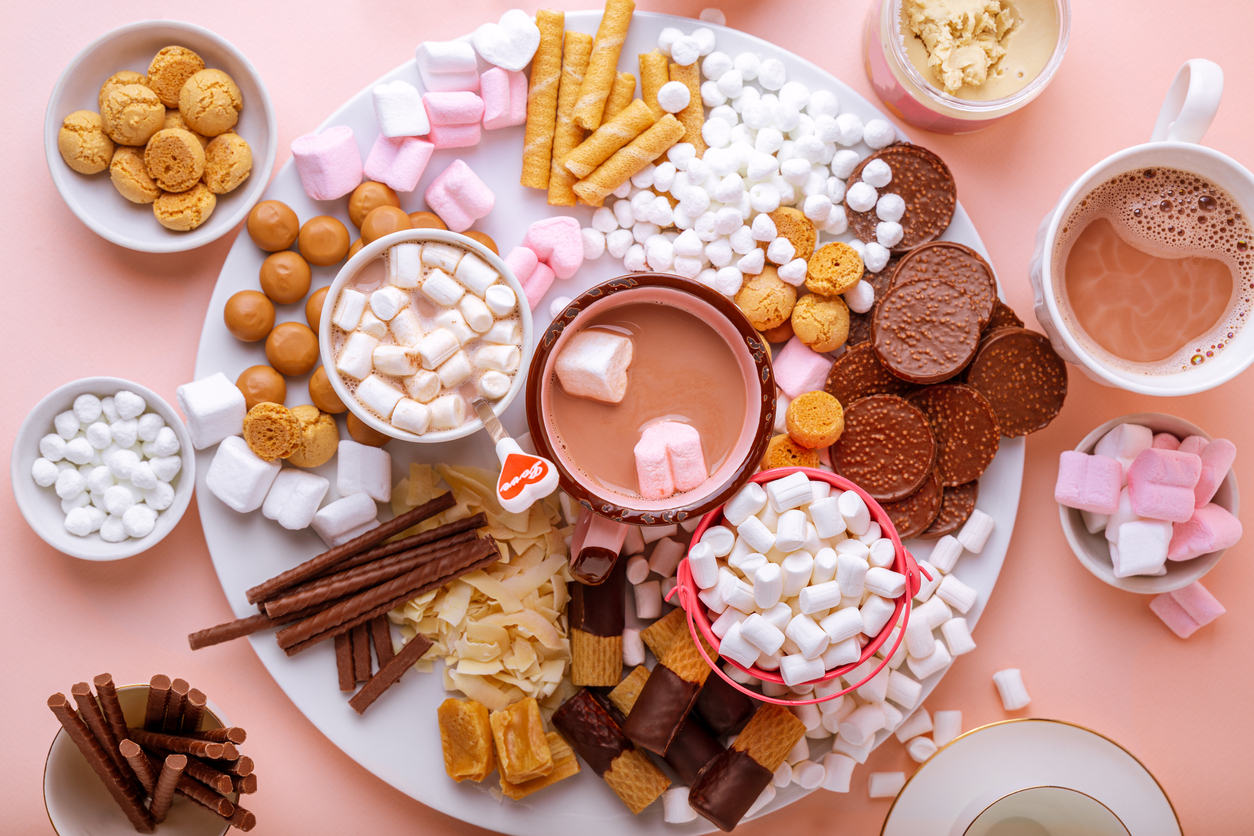
Once your components are ready, the assembly is about height and grouping. Place taller items like cones or stacked cookies at the back or corners to create a focal point. Fill in the gaps with smaller, loose items like candies or chocolates. Use small bowls or ramekins for sticky items like caramel or nut butters to keep the board clean and organized.
This board requires no baking, making it a perfect last-minute addition to any gathering. The key to the "Sweet Sea" aesthetic is the consistent use of blue and white, punctuated by metallic gold. By keeping the ingredients simple and the assembly strategic, you create a visual impact that rivals any viral social media trend.
Keep the texture right: prevent watery, dry, or bland boards
A dessert charcuterie board fails when moisture migrates from soft fillings into crisp bases, or when heavy sauces drown the delicate items meant to be the stars. The viral boards you see online look effortless because the builder treats each component as a separate ecosystem with its own humidity level. If you ignore these boundaries, your board becomes a soggy mess within an hour.
The goal is structural integrity. You want distinct textures that hold their shape until the guest picks them up. This requires a mental map of which ingredients release water, which absorb it, and which act as barriers. By grouping items correctly and using the right pairing techniques, you keep the Mexican, Indian, and Asian sweet treats distinct and delicious.
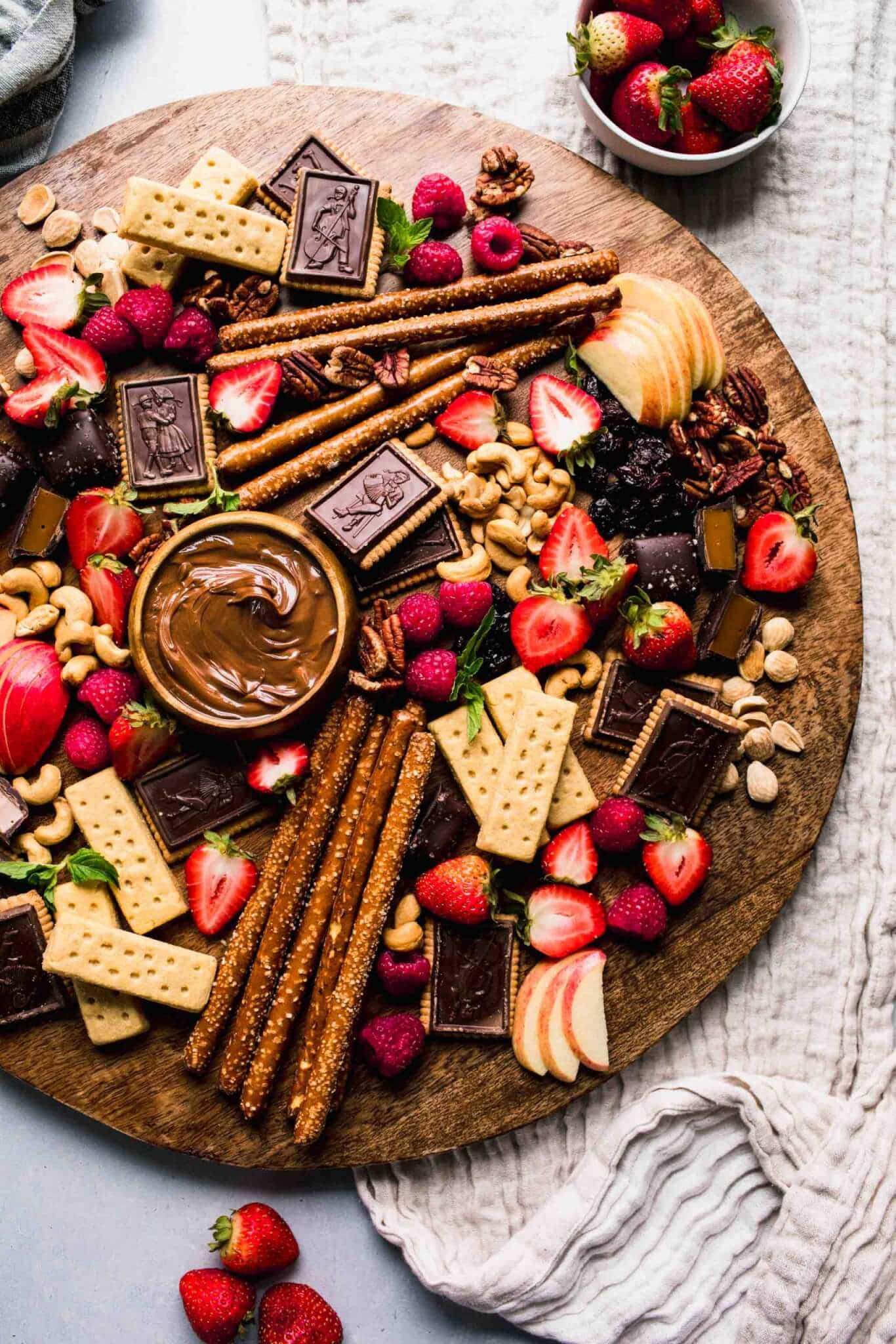
Place a physical barrier between wet and dry zones. Use small bowls for fresh fruit, jam, or yogurt-based dips. If you place sliced strawberries or mango directly on crackers, the juice will soak through and make them limp. Use ramekins, small glass dishes, or even hollowed-out citrus rinds to hold wet items. This keeps the crisp cookies and pretzels dry until the last possible moment.
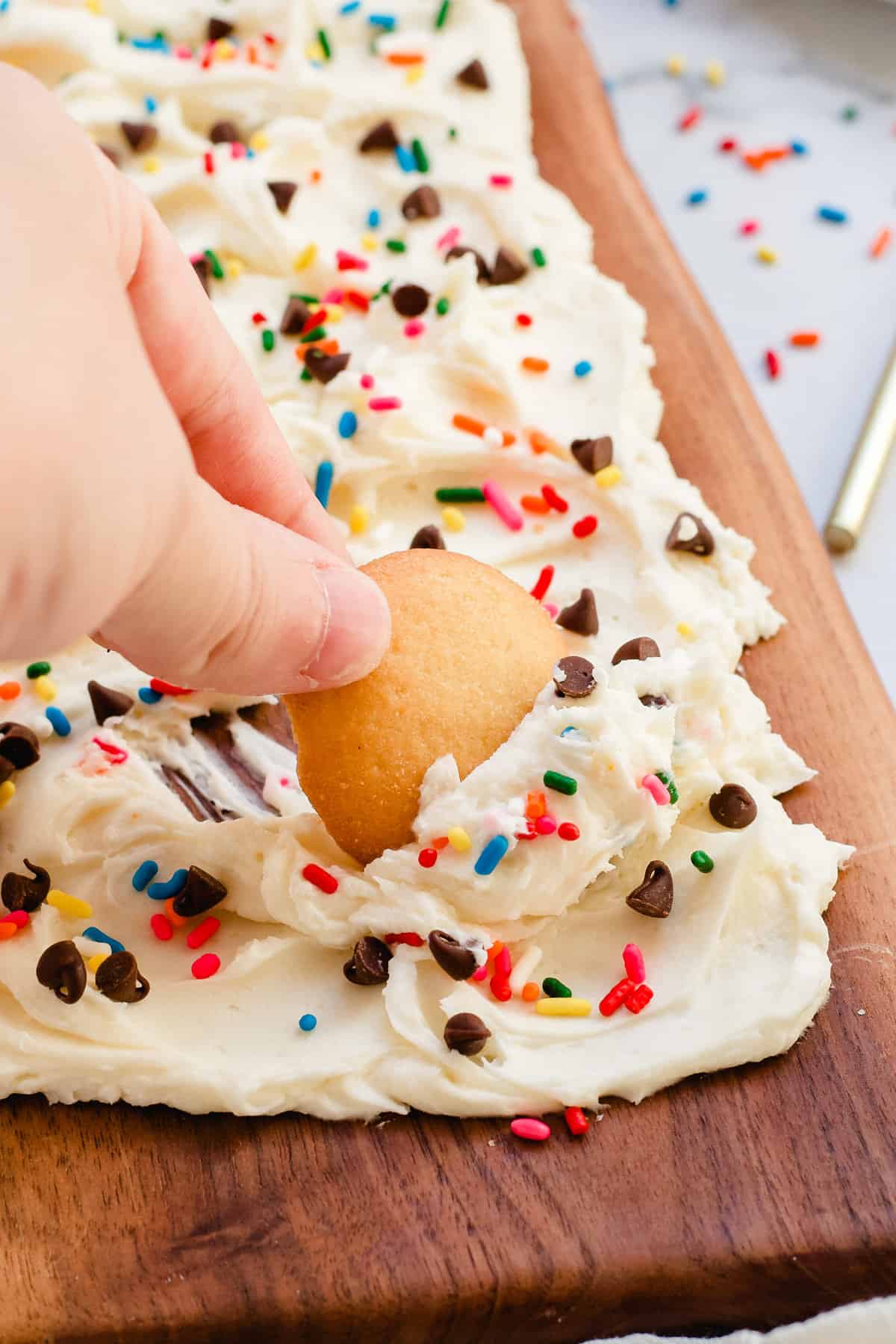
Wash all fresh fruits and pat them completely dry with paper towels. Even a thin layer of surface moisture accelerates sogginess. For items like grapes or berries, leave them whole rather than slicing them, which exposes more interior flesh to the air and accelerates oxidation and moisture loss. If you must slice apples or pears, toss them in a little lemon juice to prevent browning, but ensure they are dry before placing them on the board.
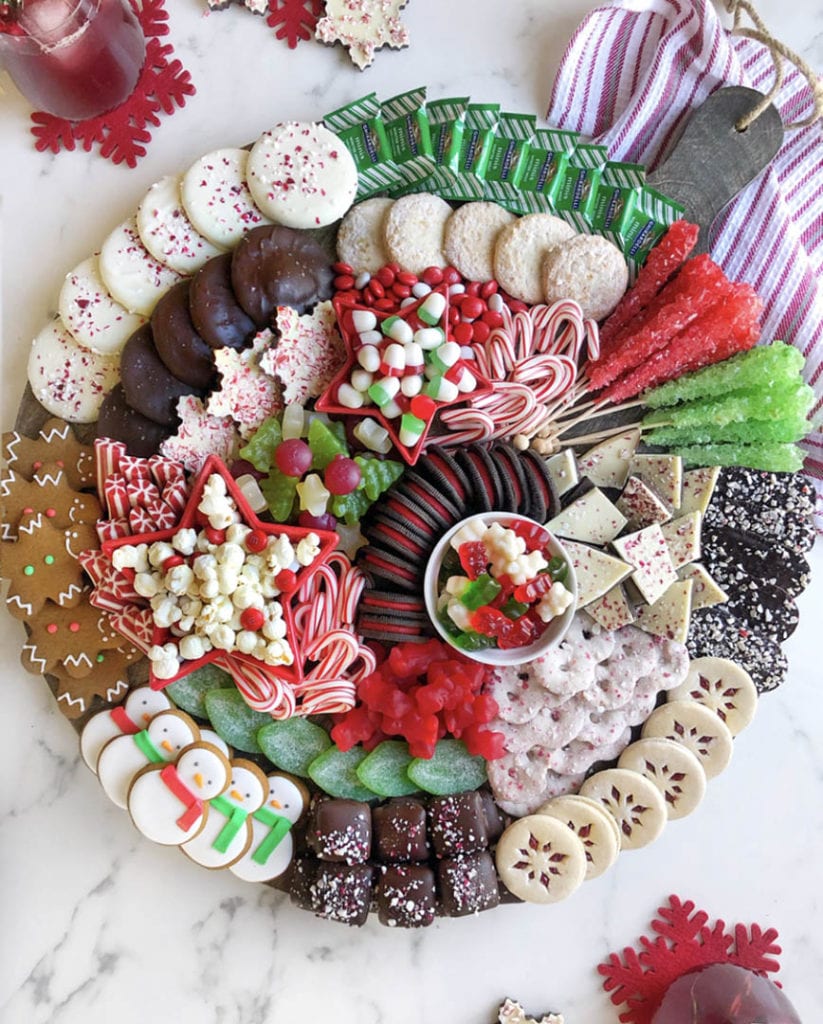
Match the weight of your toppings to the strength of your base. Mexican tres leches cake pieces are heavy and moist; they need thick slices of pound cake or sturdy brownies, not flaky puff pastry. Indian gulab jamun are syrup-soaked and dense; place them next to dry, crunchy items like churros or biscotti, not on top of them. Asian mochi are soft and sticky; serve them on small skewers or in paper cups to prevent them from sticking to the board or other items.
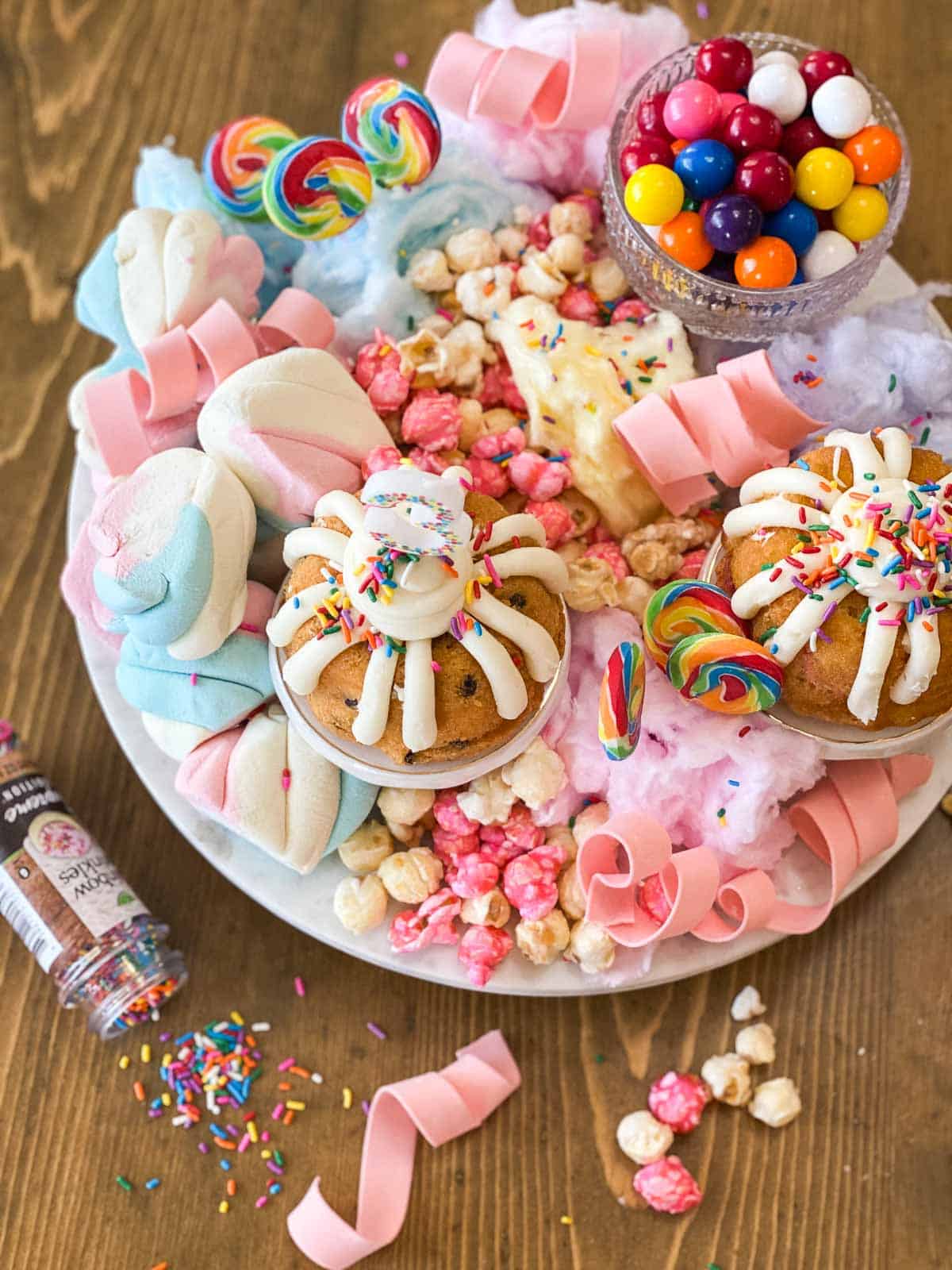
Blandness often results from items sitting in their own juices without fresh contrast. Add dry, crunchy, or acidic garnishes on the side. Serve crushed pistachios, toasted coconut flakes, or candied ginger in small piles or ramekins. Let guests sprinkle these over their bites. This preserves the crunch of the garnish and allows each person to control the flavor intensity of their specific portion.
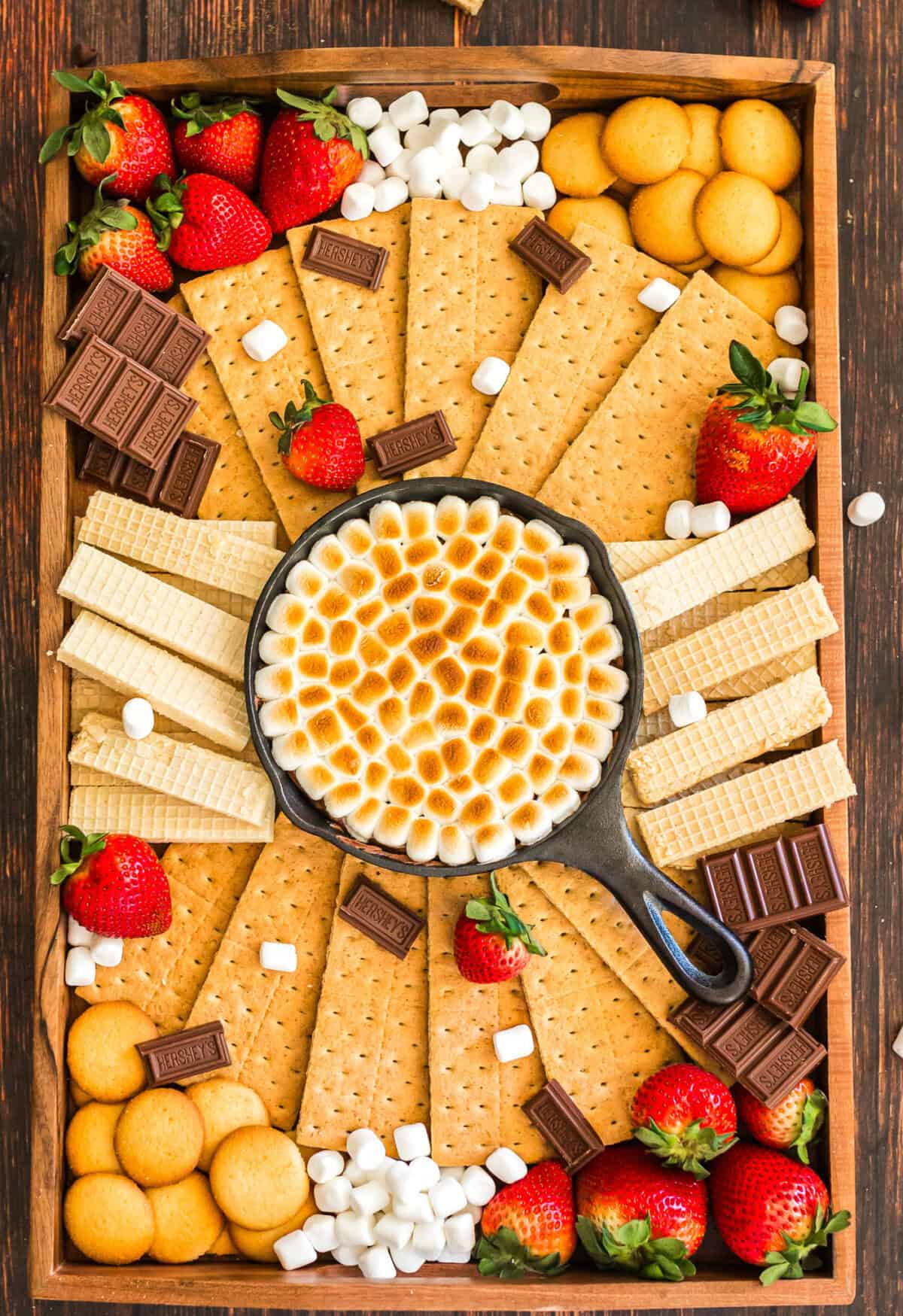
The longer the board sits, the more the textures degrade. Assemble the board within 30 minutes of serving. If you must prep earlier, store the components separately in airtight containers. Keep dry items in cool, dry places and wet items in the refrigerator. Bring everything to room temperature just before arranging. This ensures the chocolate is snappy, the fruit is fresh, and the pastries are crisp.
Swaps that still work
Building a dessert board works best when you stick to the core flavor profiles of each cuisine. If you can’t find a specific ingredient, choosing a close relative keeps the board cohesive without turning it into a mismatched collection of random sweets. The goal is to maintain the distinct character of Mexican, Indian, and Asian treats while allowing for practical substitutions.
For Mexican-inspired sections, rely on the familiar combination of cinnamon, citrus, and chocolate. If you don’t have Mexican chocolate or piloncillo, dark chocolate with a pinch of cayenne and orange zest mimics the profile well. Similarly, if traditional cajeta is unavailable, dulce de leche offers the same caramelized milk sweetness that anchors this section of the board.
Indian sweet boards often depend on cardamom, saffron, and ghee. When ghee is too heavy or hard to source, clarified butter or even high-quality unsalted butter works in a pinch. For saffron, a small amount of turmeric mixed with a touch of honey can provide the visual golden hue, though it won’t replicate the exact floral aroma. The key is balancing the spice intensity so it doesn’t overpower the sweetness.
Asian dessert boards typically feature matcha, red bean, and coconut. If you are missing matcha powder, a high-quality green tea infusion can infuse white chocolate or coconut cream for a subtle base. For red bean paste, sweetened chestnut paste or even a smooth peanut butter mixed with a little brown sugar can provide the necessary earthy sweetness and texture. These swaps ensure the board remains visually appealing and tasty, even if the pantry is slightly depleted.
| Original Ingredient | Best Swap | Why It Works |
|---|---|---|
| Mexican Chocolate | Dark Chocolate + Cayenne + Orange Zest | Replicates the spicy, citrusy depth of traditional piloncillo chocolate. |
| Ghee | Clarified Butter or High-Quality Unsalted Butter | Maintains the rich, nutty fat content essential for Indian sweets like barfi. |
| Saffron Threads | Turmeric + Honey | Provides the signature golden color; use sparingly to avoid earthy flavor dominance. |
| Matcha Powder | Infused Green Tea Cream or White Chocolate | Offers a subtle green tea flavor without the bitterness of low-quality matcha. |
| Red Bean Paste | Sweetened Chestnut Paste or Sweetened Peanut Butter | Mimics the dense, earthy sweetness and smooth texture of azuki beans. |
Serve and store it
A dessert charcuterie board is best built in layers, treating the arrangement like a mosaic rather than a pile. Start with the heaviest, sturdiest items—like whole cookies, dense brownies, or molded Indian barfi—scattering them across the board first. This creates anchors. Fill the gaps with medium-weight items like sliced fruits, dense Asian pastries, or Indian gulab jamun. Finish with the delicate, messy, or liquid components: drizzles of dulce de leche, bowls of chutney, spoons of sweetened condensed milk, and delicate garnishes. This order prevents crumbling and keeps flavors from bleeding into one another before serving.
For storage, keep the board away from direct sunlight and heat, which can melt chocolate and soften crisp textures. If you are serving within two hours, the board can sit at room temperature. However, for longer events or if the ambient temperature is above 75°F (24°C), move perishable dairy-based dips, custards, or fresh fruit components to the refrigerator. Cover loosely with plastic wrap to prevent drying out, but remove it at least 30 minutes before serving to allow flavors to return to room temperature, which enhances taste.
When it’s time to plate, use a large wooden board or slate for contrast. Place small bowls or ramekins for dips and sauces strategically to break up the visual flow. Use tongs or small serving spoons for each component to keep hands clean and portions controlled. Pair the sweet board with neutral palate cleansers like plain crackers or unsalted nuts to balance the intensity of the Mexican, Indian, and Asian flavors.
Sweet sea man: what to check next
The name "Sweet Sea Man" doesn’t appear in any dessert databases, recipe books, or food safety guidelines. It’s likely a typo for "Sweet Sea Man" (a playful variation) or a confusion with the 1985 animated series Sweet Sea or the popular "Sea Man" character from SpongeBob SquarePants. For a dessert board, focus on the actual flavors: Mexican, Indian, and Asian sweets.
If you’re looking for a "Sweet Sea" theme, consider using blue food coloring in white chocolate or coconut-based desserts to mimic the ocean. For a "Man" theme, add male-named candies or chocolate figures. However, sticking to the core regional flavors is more effective for a viral board.
Common Troubleshooting for Multicultural Dessert Boards
How do I keep Mexican sweets from getting soggy?
Mexican candies like churros or pastelitos can lose their crunch quickly. Assemble them last, just before serving. Keep them on a separate platter if possible, or use a wire rack to allow air circulation. If using dulce de leche, ensure it’s thick and spread thinly to avoid dripping onto other items.
Will Indian sweets like gulab jamun stick to the board?
Yes, sticky Indian sweets can adhere to parchment paper or wood. Use small, individual cupcake liners or mini silicone molds to hold each piece. This prevents mess and makes serving easier. Place these liners on the board rather than placing the sweets directly on the surface.
How do I balance the sweetness of Asian treats?
Asian desserts like mochi or tangyuan can be very sweet. Pair them with less sweet items like fresh fruit, nuts, or dark chocolate. This creates a balanced flavor profile and prevents palate fatigue. Also, consider offering a variety of textures, such as chewy mochi alongside crunchy sesame balls.
No comments yet. Be the first to share your thoughts!