

How to Build a Dessert Charcuterie Board
A dessert charcuterie board transforms dessert into a social event. Instead of serving individual slices or scoops, you arrange sweet treats for sharing. This guide focuses on global flavors, bringing together items from different cultures to create a varied and exciting spread.
We selected 15 distinct items based on three practical criteria. First, each treat must hold its shape at room temperature. Second, the flavors should contrast, balancing sweet, salty, and tart notes. Finally, we prioritized items that are easy to arrange and serve without special equipment.
The process is straightforward. Start with a large board or platter. Place the largest items, like whole fruits or chocolate bars, first. Fill in gaps with smaller bites like cookies or candies. Add dips and spreads in small bowls to anchor the arrangement.
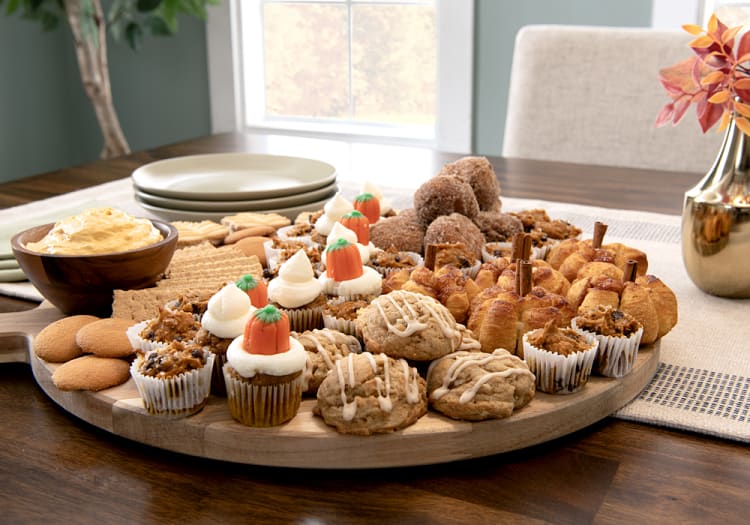
Pick a sturdy board. Wood, slate, or marble work well. Ensure it is large enough to hold all 15 items with some breathing room between them.
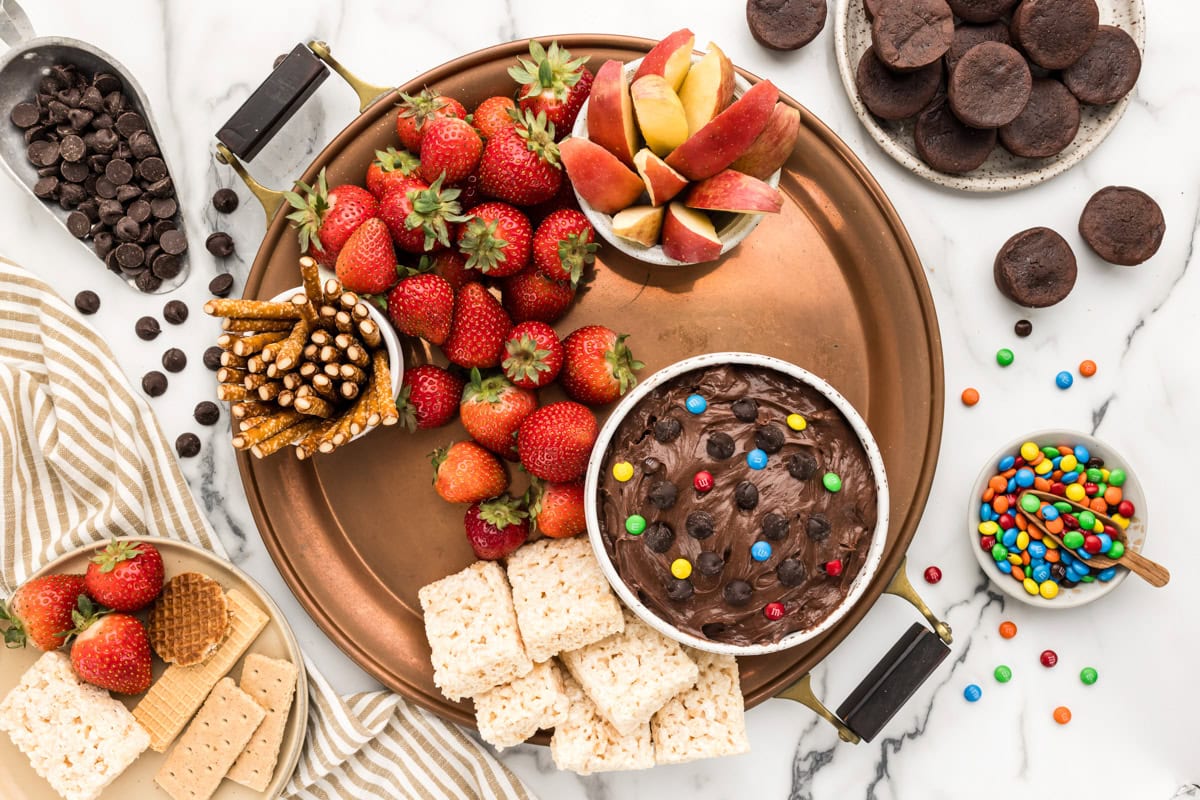
Start with the largest or heaviest items. Place chocolate bars, whole fruits, or large cookies at the corners or edges to define the board's shape.
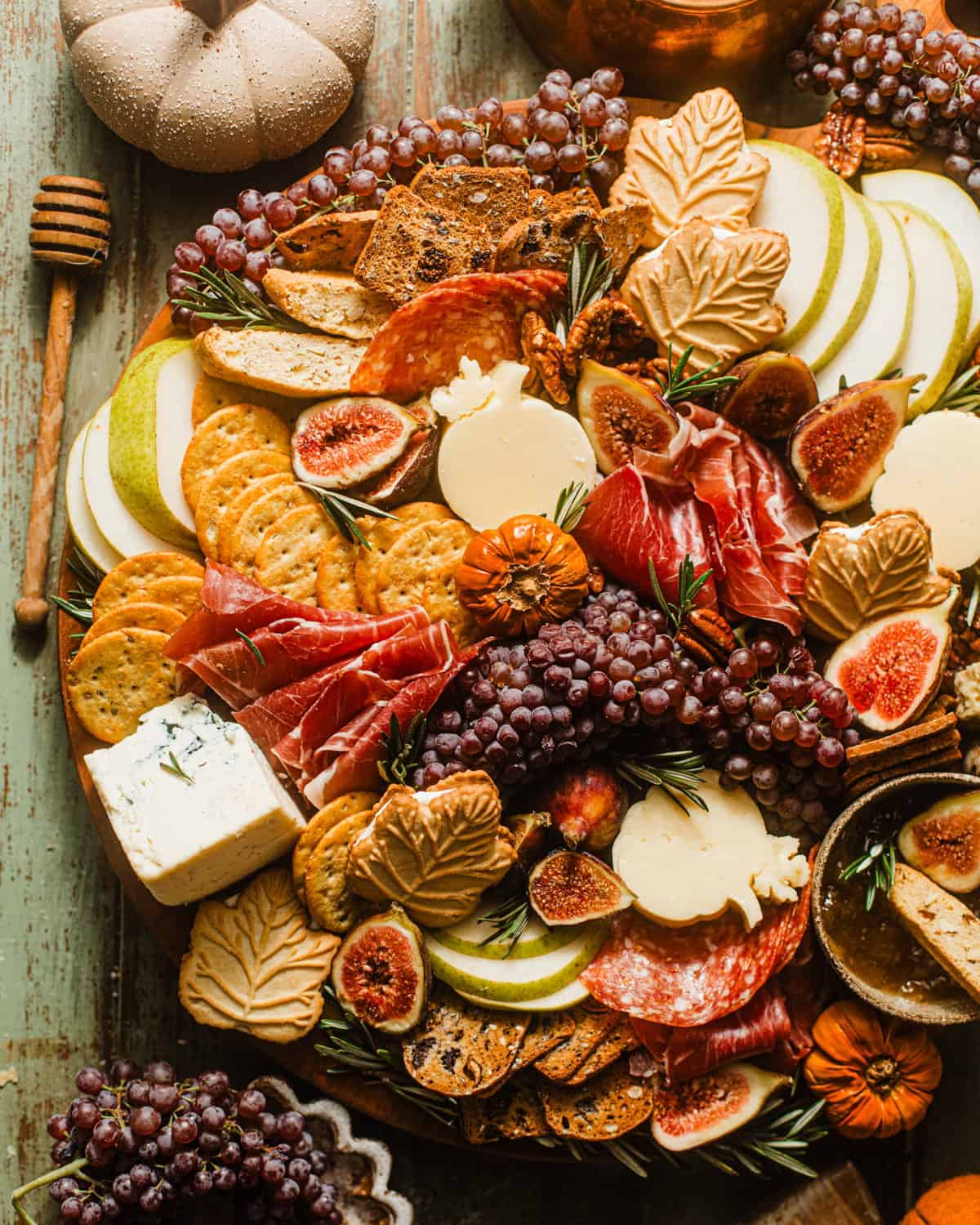
Add medium-sized items like small cakes, pastries, or clusters of nuts. Tuck them into the spaces between your anchors to create a full look.
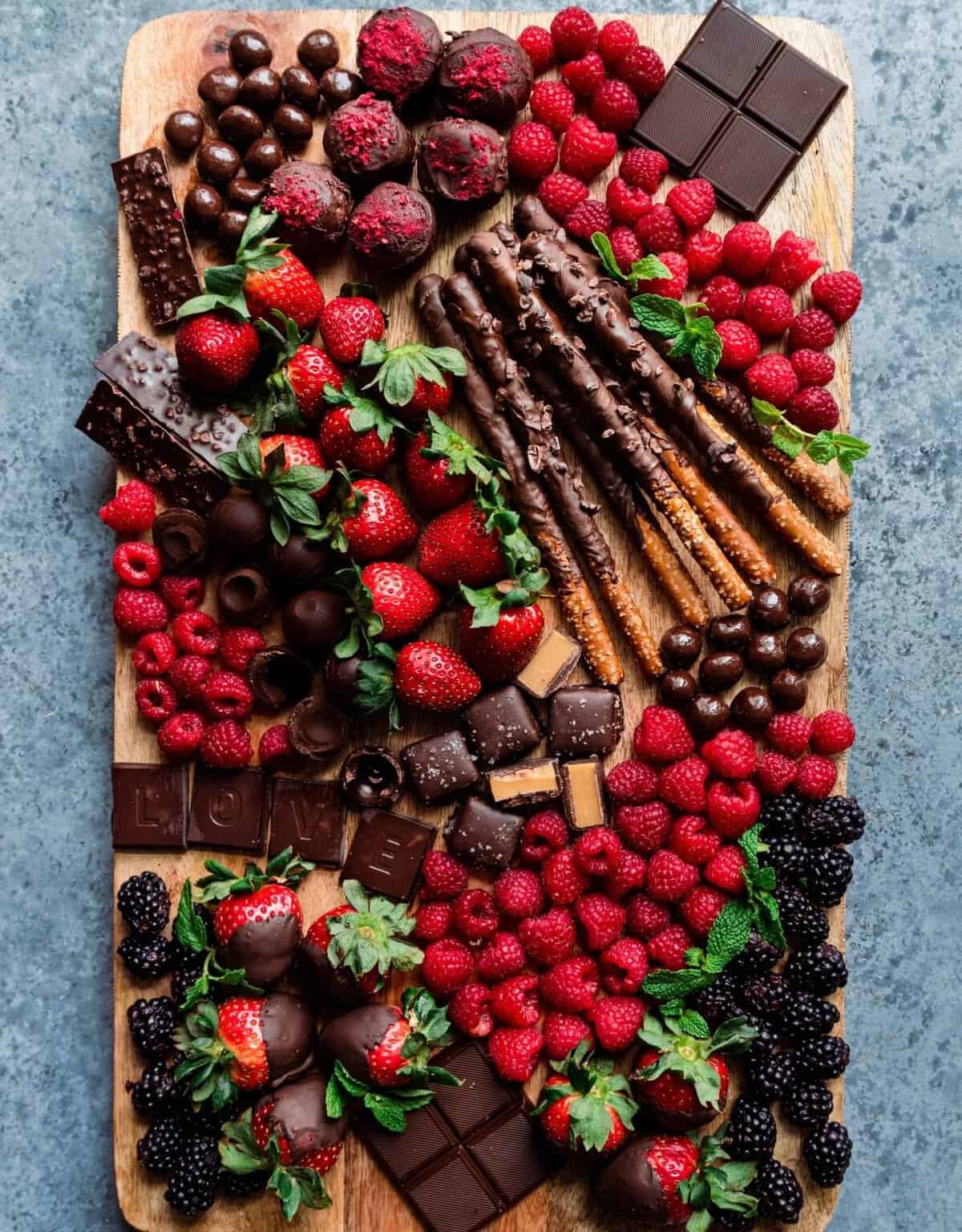
Finish with small bowls of dips, sauces, or spreads. Sprinkle loose candies or nuts in any remaining empty spots to add color and texture.
15 Quick Global Sweet Treats
Choosing the right dessert charcuterie board starts with matching the spread to the event’s scale and your own effort tolerance. A casual watch party calls for grab-and-go items like cookies and chocolate-covered pretzels, while a dinner party might benefit from structured elements like fruit platters or mini cheesecakes. Consider the serving size: a small board for four needs about 15–20 distinct items, while a crowd of twenty requires bulkier staples and multiple dipping stations.
Next, think about texture and flavor balance. A successful board isn’t just a pile of sweets; it’s a mix of crunchy, creamy, chewy, and fresh elements. If you’re serving heavy chocolate truffles, pair them with acidic berries or crisp apple slices to cut through the richness. This contrast keeps guests coming back for more rather than feeling overwhelmed by sugar.
Finally, factor in logistics. If you’re transporting the board, avoid items that melt quickly or require immediate assembly, like fresh whipped cream or hot s’mores dips. Opt for sturdy treats that hold up at room temperature. Use the checklist below to ensure you’ve covered all bases before you start arranging.
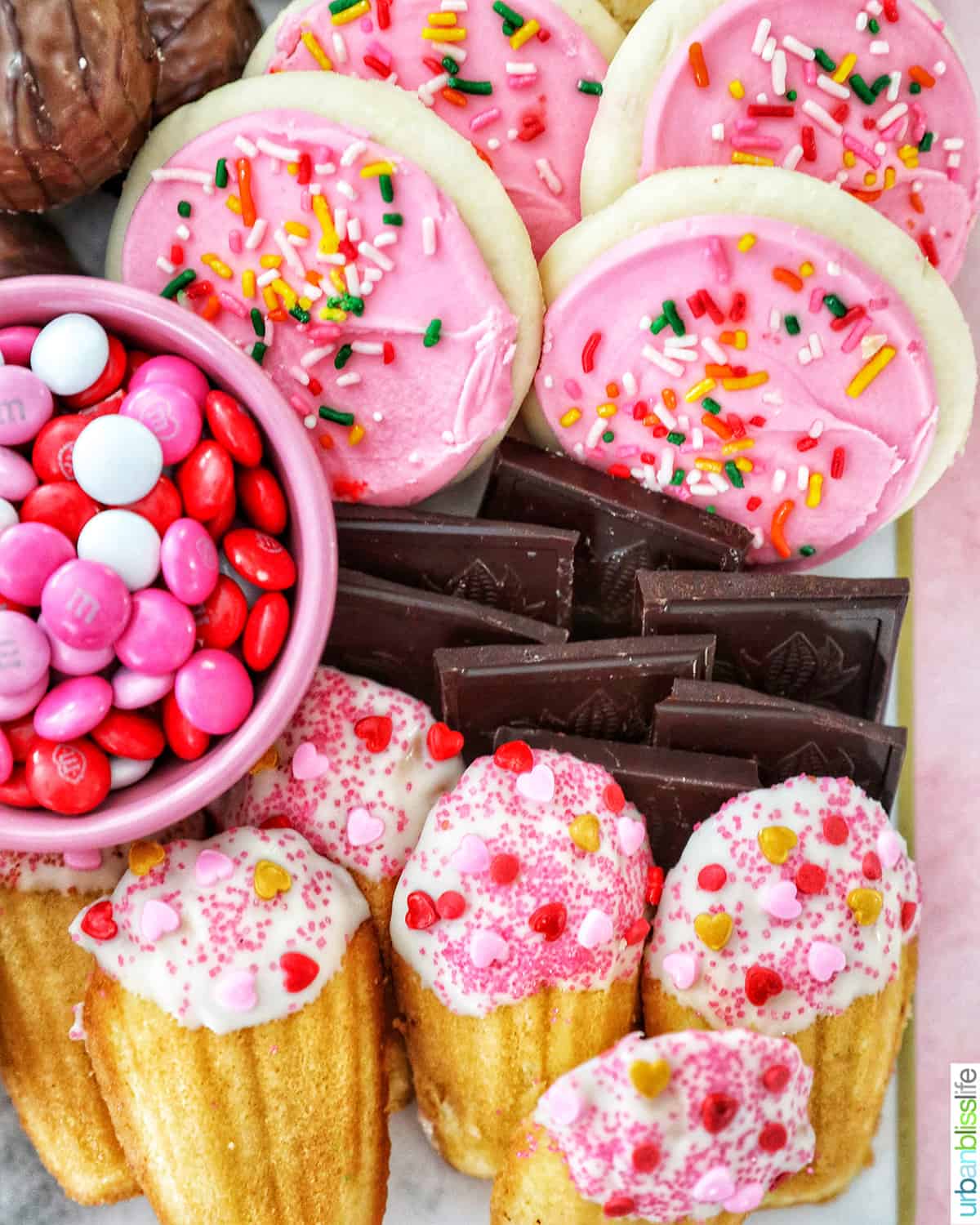
Estimate how many guests will actually eat dessert. For every 10 people, plan for 3–4 distinct categories (e.g., fruit, cookies, dips, chocolates) with 2–3 varieties each. This prevents overcrowding and ensures variety without waste.
Pick 2–3 colors or a seasonal theme (like fall oranges and browns) to guide your purchases. This creates visual cohesion and makes the board look intentional rather than random. Stick to this palette when selecting fruits and packaged goods.
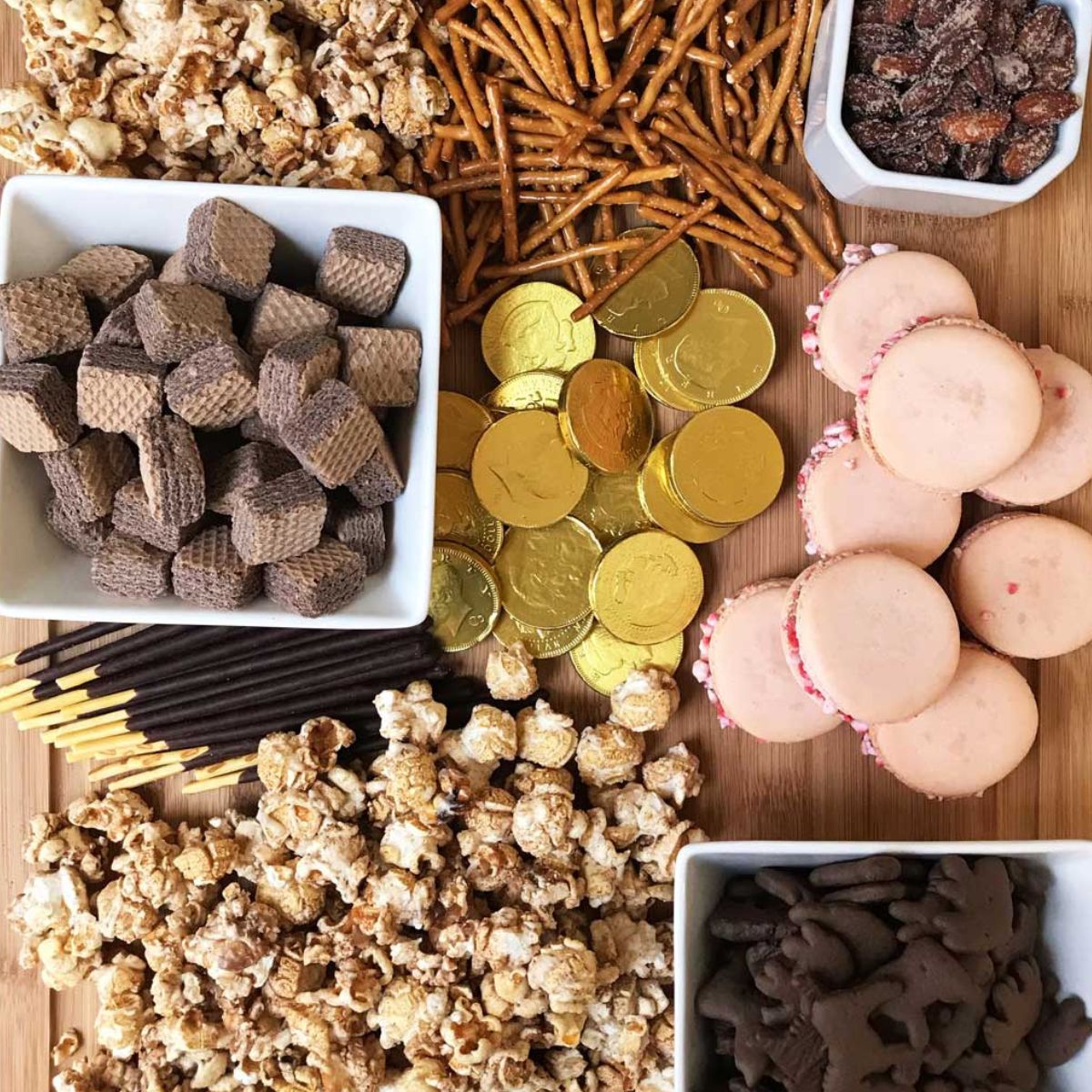
Ensure every category has a contrasting texture. Pair creamy brie with crunchy crackers, or soft caramel with crisp pretzels. This prevents palate fatigue and keeps the tasting experience dynamic throughout the event.
If moving the board, choose items that won’t melt or shift easily. Avoid loose powders or wet dips that might spill. Use small ramekins for dips and secure heavier items with non-slip mats or wooden blocks for elevation.
-
Determine total guest count and estimated dessert appetite
-
Choose a cohesive color palette or seasonal theme
-
Select at least one crunchy, one creamy, and one fresh item per category
-
Verify all items are stable enough for transport or display
-
Prepare small serving utensils for dips and spreads
| Category | Best For | Pro Tip |
|---|---|---|
| Cookies & Bars | Large crowds, easy grab-and-go | Buy in bulk and arrange in piles for volume. |
| Fresh Fruit | Balancing heavy sweets, adding color | Cut into bite-sized pieces for easy eating. |
| Dips & Spreads | Interactive experience, flavor contrast | Use ramekins to prevent cross-contamination. |
| Chocolate & Truffles | Premium feel, individual portions | Keep away from direct sunlight to prevent melting. |
| Crackers & Wafers | Structural base, texture contrast | Place under dips to create a stable foundation. |
1. Italian Biscotti
Biscotti are twice-baked almond cookies that are dry, crunchy, and perfect for dipping. Their low moisture content ensures they stay crisp even if left out for hours. Look for traditional almond or hazelnut varieties for a classic flavor profile that pairs well with coffee or sweet dessert wines.
2. Japanese Mochi
Mochi offers a unique chewy texture that contrasts sharply with crunchy cookies and hard chocolates. These small rice cakes are often filled with sweet red bean paste, matcha, or strawberry. Their soft, pillowy nature adds a textural element that is rare in Western dessert boards.
3. Turkish Delight
Turkish delight (lokum) provides a chewy, jelly-like consistency with floral notes like rose or orange blossom. Cut into small cubes, they add a vibrant pop of color and a distinct aromatic flavor. They are sturdy enough to hold their shape but soft enough to melt pleasantly on the tongue.
4. Mexican Cajeta
Cajeta is a caramel made from goat’s milk, offering a richer, tangier flavor than standard dulce de leche. Serve it in a small ramekin as a dip for apple slices or pound cake cubes. Its thick consistency prevents spilling, and the unique flavor profile adds an international twist to the board.
5. French Macarons
Macarons are delicate meringue-based cookies with a crisp shell and chewy interior. They come in a wide variety of flavors, from classic vanilla to exotic lavender. Their small size makes them perfect for individual portions, and their pastel colors add visual elegance to the arrangement.
6. Spanish Churros
Churros are fried dough pastries dusted with cinnamon sugar. While best served fresh, they hold up reasonably well for a few hours. Serve them with a side of thick hot chocolate or dulce de leche for dipping. Their rustic, textured appearance contrasts nicely with smoother items.
7. Korean Honey Butter Chips
These thin, crispy crackers are coated in a sweet and salty honey butter glaze. They offer a savory-sweet crunch that bridges the gap between dessert and snack. Their light, airy texture makes them a great filler item that adds volume without overwhelming the palate.
8. Brazilian Brigadeiros
Brigadeiros are small chocolate truffles made with condensed milk, cocoa powder, and butter. They are rolled in chocolate sprinkles, adding a festive touch. Dense and fudgy, they provide a rich chocolate experience that is distinct from standard chocolate bars or truffles.
9. German Stollen
Stollen is a traditional German fruit bread often dusted with powdered sugar. Sliced into small, manageable pieces, it offers a dense, moist texture with candied fruits and nuts. It pairs well with cream cheese or butter, adding a hearty, bread-like element to the sweet spread.
10. Indian Gulab Jamun
Gulab jamun are deep-fried milk solids soaked in rose-scented sugar syrup. They are soft, spongy, and intensely sweet. Serve them whole or halved to show the syrupy interior. Their unique preparation method and flavor profile make them a standout item on any global dessert board.
11. Portuguese Pastel de Nata
Pastel de nata are custard tarts with a flaky, buttery crust and creamy, caramelized filling. They are best served at room temperature or slightly chilled. Their individual size and distinct layers make them visually appealing and easy to eat without utensils.
12. Austrian Sachertorte
Sachertorte is a dense chocolate cake with a layer of apricot jam, covered in dark chocolate glaze. Cut into small squares, it offers a sophisticated, rich flavor. The contrast between the bitter chocolate and sweet jam provides a complex taste experience that appeals to serious chocolate lovers.
13. Lebanese Baklava
Baklava consists of layers of phyllo dough filled with chopped nuts and sweetened with syrup or honey. It is crunchy, sweet, and nutty. Cut into small diamond shapes, it adds a golden hue and a distinct crunch that contrasts with softer items like mousse or cake.
14. American S'mores Bars
S'mores bars are a deconstructed version of the classic campfire treat, featuring graham cracker crust, marshmallow fluff, and chocolate. They are sturdy and easy to cut into squares. This familiar flavor profile appeals to a wide audience and adds a nostalgic element to the board.
15. Canadian Butter Tarts
Butter tarts are a Canadian classic with a flaky crust and a filling of butter, sugar, and syrup, often with raisins or pecans. They are rich and gooey. Serve them in small portions to balance their intensity. Their rustic appearance adds a homey touch to the international theme.
No comments yet. Be the first to share your thoughts!