

Hotteok's Rise: A Korean Street Food Story
Hotteok, a Korean street food traditionally a sweet pancake filled with brown sugar, cinnamon, and chopped nuts, has exploded in popularity thanks to TikTok and Instagram. What started as a beloved winter snack in Korea is now a viral sensation, captivating a global audience with its irresistible flavors and textures. The anticipation of that molten sugar center is a big part of the experience.
Hotteok's appeal lies in its contrast: a slightly crispy exterior gives way to a chewy, doughy interior and a gooey, sweet filling. This combination is satisfying and translates well across cultures. Beyond traditional fillings, innovation is happening. Savory hotteok, filled with ingredients like kimchi and cheese, are gaining traction, demonstrating the versatility of this simple pancake. It's a canvas for culinary creativity.
Hotteok's visual appeal contributes to its resonance. Videos of the pancake being stretched and filled, then flipped and browned on a griddle, are satisfying to watch. The golden-brown color and glistening sugar filling make it photogenic. It's a dessert shared on social media, fueling its virality. Many recipes are available online, allowing people to try making it at home, adding to the buzz.
The origins of hotteok are debated, with some believing it originated from the Chinese bing during the Qing dynasty. It has become deeply ingrained in Korean culture. Popularity isn't just online. In Seoul, lines for hotteok often stretch down the block, especially during colder months. The sweet smell and promise of a warm treat draw crowds, even in a city overflowing with delicious food options.
Mochi Ice Cream: Beyond the Initial Buzz
Mochi ice cream, small, chewy balls of ice cream wrapped in sweet rice dough, had a moment years ago but is experiencing a significant resurgence. First created in Japan by Myoho, a Kyoto sweet shop, in the 1980s, it aimed to make ice cream easier to eat without messy hands. It wasn't an instant global hit but steadily gained popularity, reaching the US in the 1990s.
The second wave of virality in the 2020s can be attributed to a few factors. TikTok plays a huge role, with videos showcasing the satisfying texture and fun of eating them. Aesthetic food trends also contributed, as the colorful, bite-sized treats are perfect for Instagram. The texture is unique, offering a satisfying chewiness that sets it apart from traditional ice cream. It's a playful experience.
Flavor profiles have expanded far beyond the original matcha and mango. You'll find everything from strawberry shortcake and chocolate peanut butter to lychee and black sesame. This wider range of flavors caters to diverse palates and keeps the product feeling fresh. Portability is another advantage. They’re perfect for on-the-go snacking or for parties and gatherings.
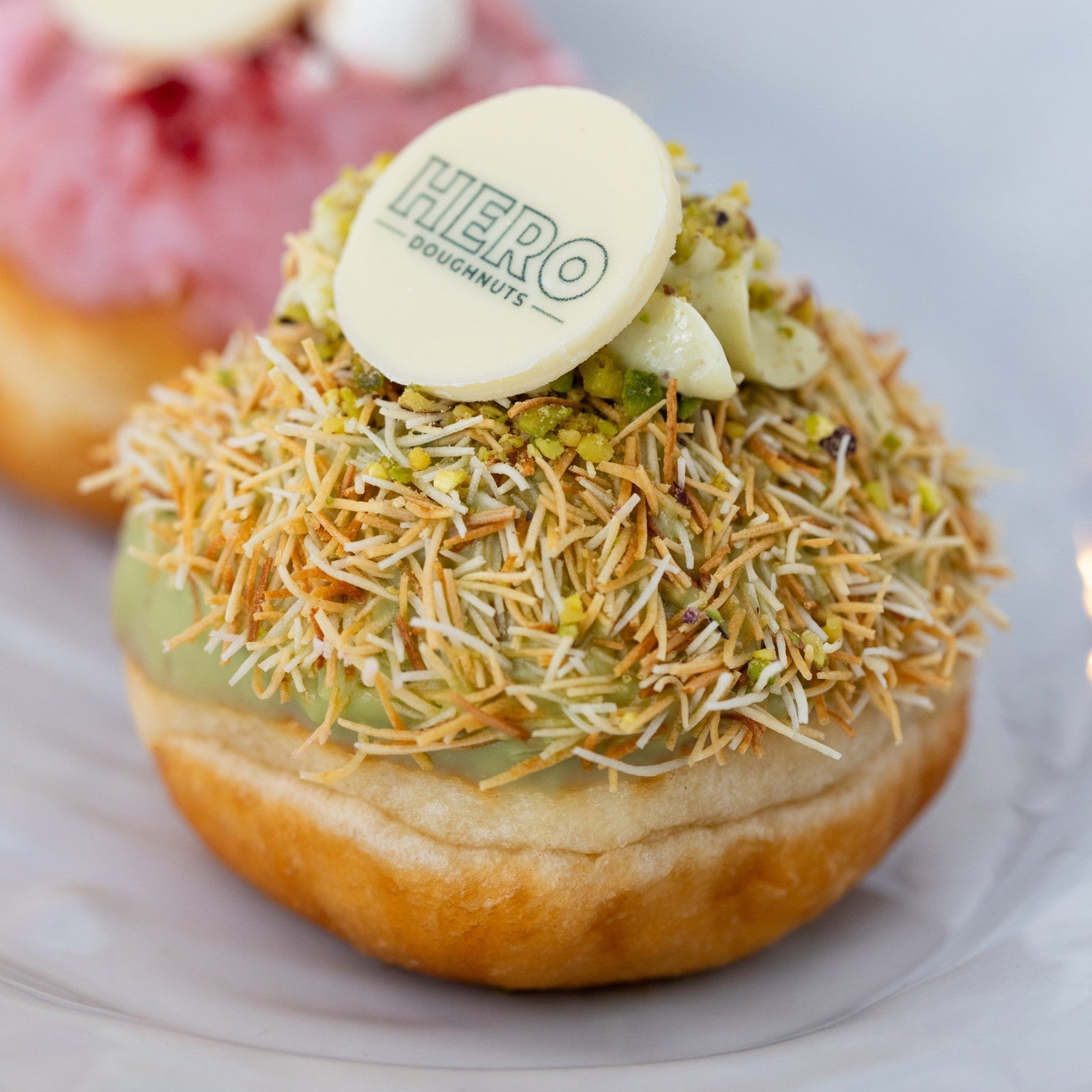
Social media challenges, like trying to catch a mochi ice cream in your mouth, have further fueled its popularity. This engagement has helped introduce the dessert to a new generation of consumers. The brand Wanja Donut, for example, leans into this playful aesthetic with its colorful and unique mochi donut creations.
Japanese Soufflé Pancakes: Fluffiness Goes Viral
Japanese soufflé pancakes are fluffy perfection. These light and airy pancakes have taken social media by storm. Their signature wobble and delicate flavor are appealing. They gained traction in Japan in the early 2010s, quickly becoming a staple at trendy cafes.
Achieving the signature height and wobble requires a precise technique: whipping egg whites to stiff peaks, then gently folding them into the batter. A low and slow cooking process is also crucial, often utilizing a covered pan and a small amount of water to create steam. It's more involved than making traditional pancakes, but the results are worth the effort. It demands patience.
Japanese cafes helped popularize these pancakes. They presented them beautifully, often stacked high and adorned with fresh fruit, whipped cream, and powdered sugar. This presentation was perfect for Instagram, and the trend quickly spread. Variations in toppings and flavors are common, with matcha, chocolate, and seasonal fruits being popular choices. The texture remains the star.
Taiwanese Bubble Tea Desserts: A Sweet Evolution
Bubble tea has evolved beyond its origins as a beloved drink and is now making a splash in the dessert world. Taiwanese chefs and bakers are creatively incorporating bubble tea flavors and textures into sweet treats. Bubble tea ice cream, cakes, and macarons are appearing on menus and in bakeries.
The appeal of these desserts lies in the familiar and comforting flavors of bubble tea, combined with the satisfying chewiness of tapioca pearls. Customization options central to the bubble tea experience translate into dessert variations – different tea bases, milk options, and sweetness levels can be incorporated. It allows for personal expression.
Regional differences in bubble tea dessert trends are also emerging. In Taiwan, you’ll find more traditional interpretations, focusing on the tea flavor itself. In other parts of the world, more experimental combinations are being explored, such as bubble tea cheesecake or bubble tea crepes. The versatility of the flavor profile allows for a lot of creative freedom.
The use of brown sugar syrup, a key component of many bubble tea drinks, is also prominent in these desserts, adding a rich, caramel-like flavor. This builds on the recognizability of the flavor profile and connects the dessert back to its drink origins. It’s a clever way to leverage an already popular flavor combination.
Filipino Halo-Halo: A Colorful, Layered Sensation
Halo-Halo, meaning “mix-mix” in Tagalog, is a traditional Filipino dessert that’s finally gaining the international recognition it deserves. This vibrant and colorful treat is a delightful mix of shaved ice, sweet beans, fruits, jellies, leche flan, and often topped with ube ice cream. The layering is crucial to the experience – each spoonful is a new combination of flavors and textures.
Halo-Halo isn’t just a dessert; it’s a cultural experience. It’s deeply connected to the Filipino summer and is often enjoyed as a refreshing treat during hot days. The dessert’s origins can be traced back to the Japanese kakigori, but it has evolved into something uniquely Filipino. It represents a blend of influences and a celebration of Filipino flavors.
Regional variations abound. Some regions prefer to use different types of beans or fruits, while others add unique toppings like macapuno (coconut sport) or pinipig (toasted rice flakes). Modern interpretations are also emerging, with chefs experimenting with different flavor combinations and presentation styles. The core concept, however, remains the same: a delightful mix of sweet and refreshing ingredients.
The visual appeal of Halo-Halo is undeniable. The bright colors and the carefully arranged layers make it incredibly Instagrammable. It’s a dessert that’s as pleasing to the eye as it is to the palate. The height of the dessert, achieved by layering the ingredients, is also a key part of its presentation.
- Shaved Ice
- Sweet Beans (various types)
- Fruits (mango, pineapple, etc.)
- Jellies
- Leche Flan
- Ube Ice Cream
- Macapuno (Coconut Sport – regional)
- Pinipig (Toasted Rice Flakes – regional)
Regional Variations of Halo-Halo in the Philippines
| Region | Common Beans Used | Typical Fruit Choices | Jelly Flavors | Ice Cream Flavors |
|---|---|---|---|---|
| Luzon (Manila) | Kidney beans, Garbanzo beans | Mango, Banana, Jackfruit | Gelatin (various fruit flavors), Nata de Coco | Ube, Vanilla, Chocolate |
| Visayas (Cebu) | Kidney beans, Sweetened Mongo beans | Mango, Pineapple, Langka (Jackfruit) | Agar-agar (often brightly colored), Nata de Coco | Ube, Vanilla, Mango |
| Mindanao (Davao) | Kidney beans, Pinto beans | Durian (seasonal), Mango, Banana | Gulaman (agar-agar), Nata de Coco | Ube, Vanilla, Durian (when available) |
| Bicol Region | Kidney beans, Sweetened Beans | Saba Banana, Jackfruit, Coconut strips | Gelatin, Nata de Coco | Ube, Vanilla, Coconut |
| Pampanga | Kidney beans, Garbanzo beans | Mango, Macapuno (coconut sport), Banana | Gelatin, Nata de Coco | Ube, Vanilla, Cheese |
| Ilocos Region | Kidney beans, Sweetened Beans | Mango, Banana, Papaya | Gelatin, Nata de Coco | Ube, Vanilla |
Illustrative comparison based on the article research brief. Verify current pricing, limits, and product details in the official docs before relying on it.
Vietnamese Che: A Spectrum of Sweet Soups
Vietnamese "che’ is a broad category of sweet soups and puddings that represent a significant part of Vietnamese cuisine. It’s not a single dessert, but rather a collection of diverse treats, each with its own unique ingredients and textures. From hearty and creamy to light and refreshing, there"s a che for every palate.
Some popular types of che include che chuoi (banana and tapioca pudding), che bap (corn sweet soup), and che dau xanh (mung bean sweet soup). Each version uses different ingredients and cooking techniques to create a distinct flavor profile. The textures also vary widely, ranging from smooth and creamy to chewy and grainy.
Che holds a significant cultural importance in Vietnam. It’s often enjoyed as a dessert after meals or as a snack during hot weather. It's a comforting and familiar treat that’s deeply ingrained in Vietnamese culinary traditions. It's often made at home, passed down through generations.
Che is adapting to modern tastes and presentation styles. While traditional versions remain popular, chefs are experimenting with new flavors and techniques. The use of coconut milk and tropical fruits is common, adding a rich and refreshing element to the desserts.
- Che Chuoi (Banana and Tapioca Pudding)
- Che Bap (Corn Sweet Soup)
- Che Dau Xanh (Mung Bean Sweet Soup)
Vietnamese 'Che' Varieties
- Che Chuoi (Banana Sweet Soup) - This classic features ripe bananas simmered in coconut milk, often with tapioca pearls and a pinch of salt. It’s warm, comforting, and subtly sweet.
- Che Dau Xanh (Mung Bean Sweet Soup) - Made from split mung beans cooked until soft and creamy, this 'che' is typically flavored with pandan leaves and sweetened with sugar. It's often served warm or chilled.
- Che Tau Co (Black-Eyed Pea Sweet Soup) - Black-eyed peas are the star of this dessert, slow-cooked with coconut milk and sugar until tender. It often includes tapioca pearls and is enjoyed both warm and cold.
- Che Kho (Sweet Potato & Taro Soup) - A vibrant and colorful 'che' featuring sweet potatoes and taro root cooked in coconut milk. It's often thickened with tapioca starch and has a slightly earthy sweetness.
- Che Ba Mau (Three-Color Dessert) - This visually appealing 'che' consists of three layers: red mung bean paste, white coconut cream, and green pandan jelly. It’s a refreshing and subtly sweet treat.
- Che Com (Broken Rice Sweet Soup) - A unique dessert made with broken rice grains simmered in coconut milk and sugar. It has a slightly chewy texture and a delicate flavor.
Standout Trends: Ube’s Continued Dominance
While many trends come and go, ube (purple yam) continues its reign as a dominant flavor in the Asian dessert scene. It's not a fleeting fad; it’s a versatile ingredient that’s being incorporated into everything from ice cream and cakes to cookies and pastries. The color alone is enough to grab attention, but the flavor is equally compelling.
Ube’s appeal lies in its unique flavor profile – a subtle sweetness with hints of vanilla and pistachio. It’s not overpowering, making it a great complement to other flavors. Its cultural significance is also a factor. Ube is deeply rooted in Filipino cuisine, and its growing popularity is helping to raise awareness of Filipino culture.
The increasing availability of ube products in Western markets is further fueling its popularity. You can now find ube ice cream, ube extract, and even ube-flavored cereals in many grocery stores. This accessibility is making it easier for people to experiment with this unique ingredient. Brands like Magnolia are leading the charge in making ube more widely available.
Social media, of course, plays a huge role. The vibrant purple color of ube desserts is incredibly photogenic, and it’s become a popular subject for food bloggers and influencers. This exposure has helped to drive demand and solidify ube’s position as a trending flavor.
Content is being updated. Check back soon.
Looking Ahead: What’s Next for Asian Desserts?
The future of Asian desserts looks incredibly exciting. We can expect to see an increase in fusion desserts, blending traditional Asian flavors with Western techniques and ingredients. Think matcha croissants or black sesame cheesecake. This cross-cultural pollination will lead to innovative and unexpected creations.
There’s also a growing demand for healthier options. Dessert makers are experimenting with natural sweeteners like honey and maple syrup, as well as gluten-free ingredients like rice flour and tapioca starch. Consumers are increasingly conscious of their health, and they’re looking for desserts that fit their lifestyle.
Technology will also play a role in shaping future dessert trends. We may see more 3D-printed desserts or the use of molecular gastronomy techniques to create unique textures and flavors. The possibilities are endless. Korean beauty trends, known for their meticulous presentation, could also influence dessert aesthetics, leading to even more visually stunning creations.
Social media will continue to be a powerful force, driving trends and shaping consumer preferences. We can expect to see new desserts go viral overnight, and chefs will need to be quick to adapt and innovate. The key will be to create desserts that are not only delicious but also visually appealing and shareable.
Figure Skaters as South Asian desserts/foods/Drinks - A thread 🧵
— G H O S T L Y #Thankyoukaori🩷 (@ghostlylutz) April 5, 2026


No comments yet. Be the first to share your thoughts!