

Baklava's Unexpected Revival
Baklava is experiencing a noticeable surge in popularity, moving beyond established Greek pastry shops and into the mainstream consciousness. Social media is a significant driver, but the reasons go beyond mere aesthetics.
Baklava once felt like a dessert reserved for special occasions or specific bakeries. Now, it appears on restaurant menus, food blogs, and dessert boards on Instagram and TikTok. This shift represents a rediscovery, viewed through a modern lens of sharing and visual appeal.
The presentation of baklava is changing. Traditional, neatly cut squares are being replaced by deconstructed arrangements, encouraging a more interactive and personalized experience. Baklava lends itself well to reinterpretation, capturing the attention of a new generation.
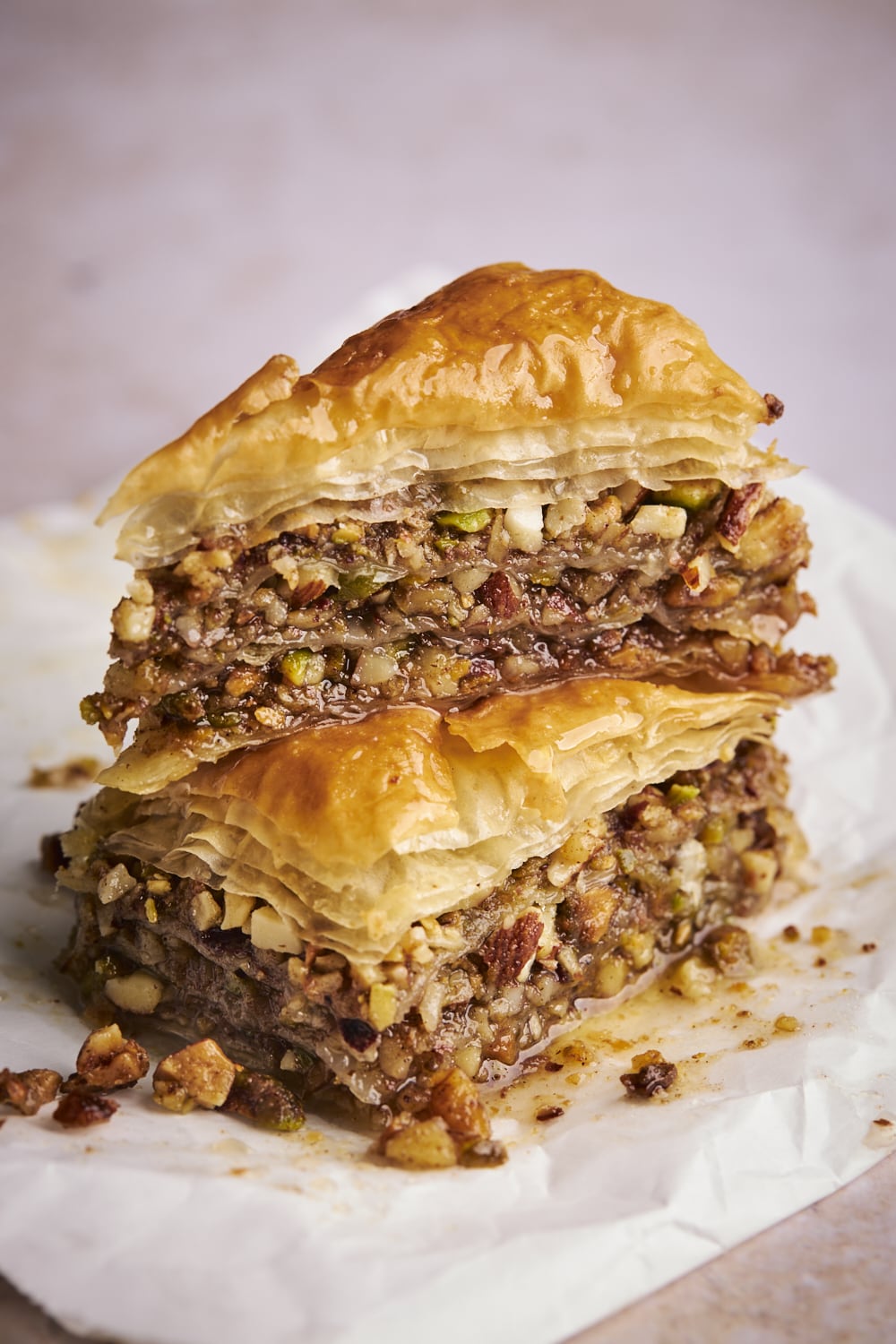
The Roots of Greek Honey Sweetness
The connection between Greece and honey is ancient and profound. Honey is deeply integrated into Greek cuisine and culture. According to Krasi, a Boston-based Greek restaurant, Greek desserts have origins stretching back centuries, with honey playing a central role.
Historically, honey symbolized prosperity and divine favor. It was used in cooking, religious offerings, and medicinal practices. Ancient Greeks believed honey possessed healing properties and presented it to the gods, explaining its deep integration into culinary traditions.
The type of honey used significantly impacts flavor. Different Greek regions produce honey with distinct profiles based on local flora: thyme honey has herbaceous notes, pine honey is darker and robust, and orange blossom honey is light and floral. The terroir—soil, climate, and environment—contributes to each honey's unique characteristics, affecting the final dessert taste.
Desserts are often built around the honey, allowing its flavor to shine. The quality of the honey is paramount, serving as the foundation for many Greek sweet treats.
Beyond Baklava: Lesser-Known Honey Treats
While baklava is well-known, Greek honey desserts offer remarkable diversity. Several lesser-known treats deserve recognition.
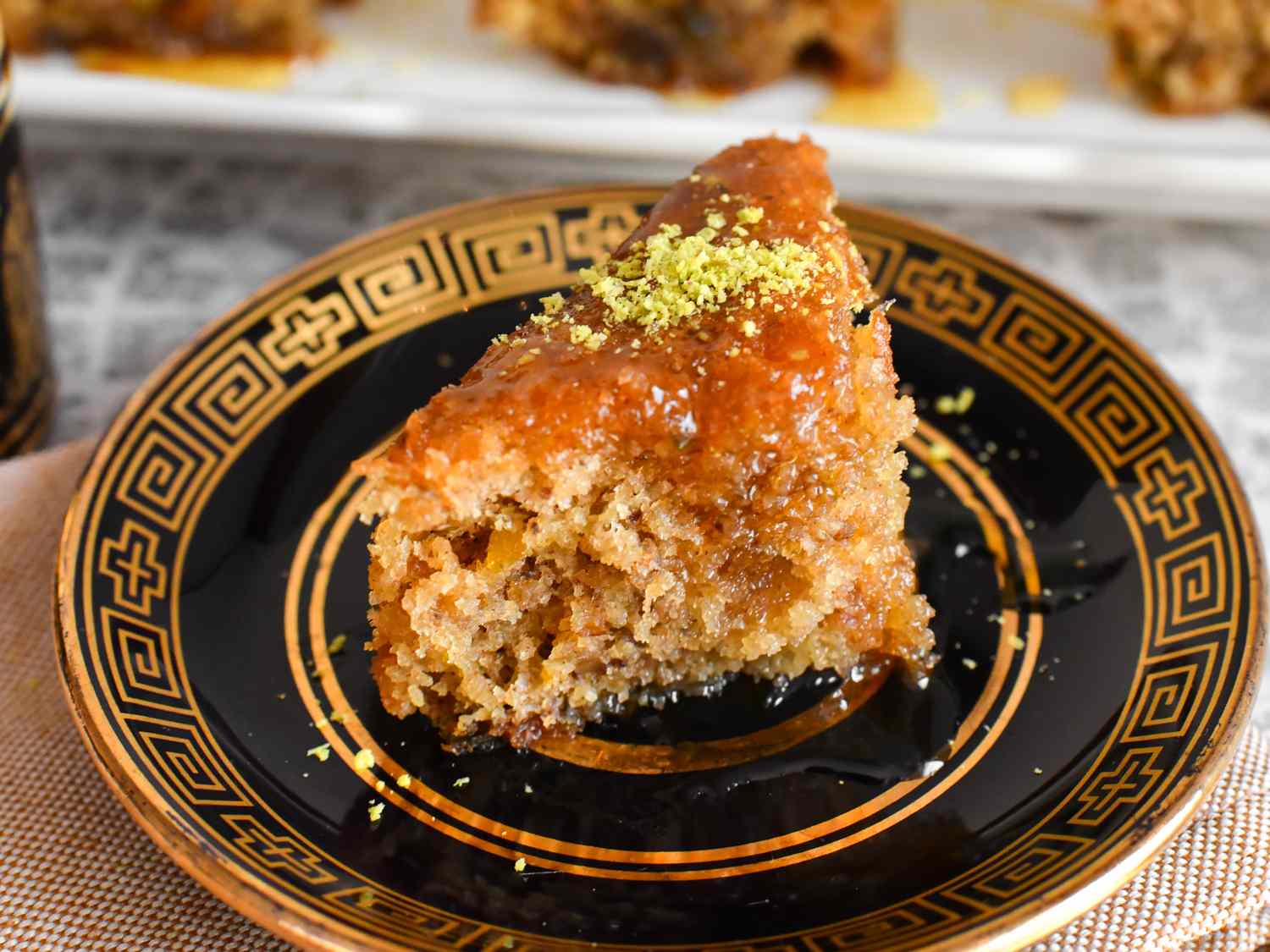
Samali is a semolina cake soaked in fragrant honey syrup, creating a soft, almost creamy texture. Often flavored with orange zest and cinnamon, it offers an alternative to heavier pastries.
Loukoumades are golden-brown honey doughnuts. These small, fried dough balls are drizzled with honey and sprinkled with sesame seeds or cinnamon, serving as a popular street food.
Melachrino is a honey pie less common outside Greece. Its combination of flaky pastry and rich honey filling is notable. Galaktoboureko, a custard pie with phyllo pastry, is also popular, with honey syrup essential to its flavor.
These desserts demonstrate honey's versatility in Greek cuisine, ranging in texture from light and airy to dense and chewy, all sharing honey sweetness and offering a taste of Greek culinary heritage.
- Samali: Semolina cake soaked in honey syrup
- Loukoumades: Honey-drenched doughnuts
- Melachrino: Honey pie
- Galaktoboureko: Custard pie with phyllo pastry
The Baklava Board Trend: A Social Media Phenomenon
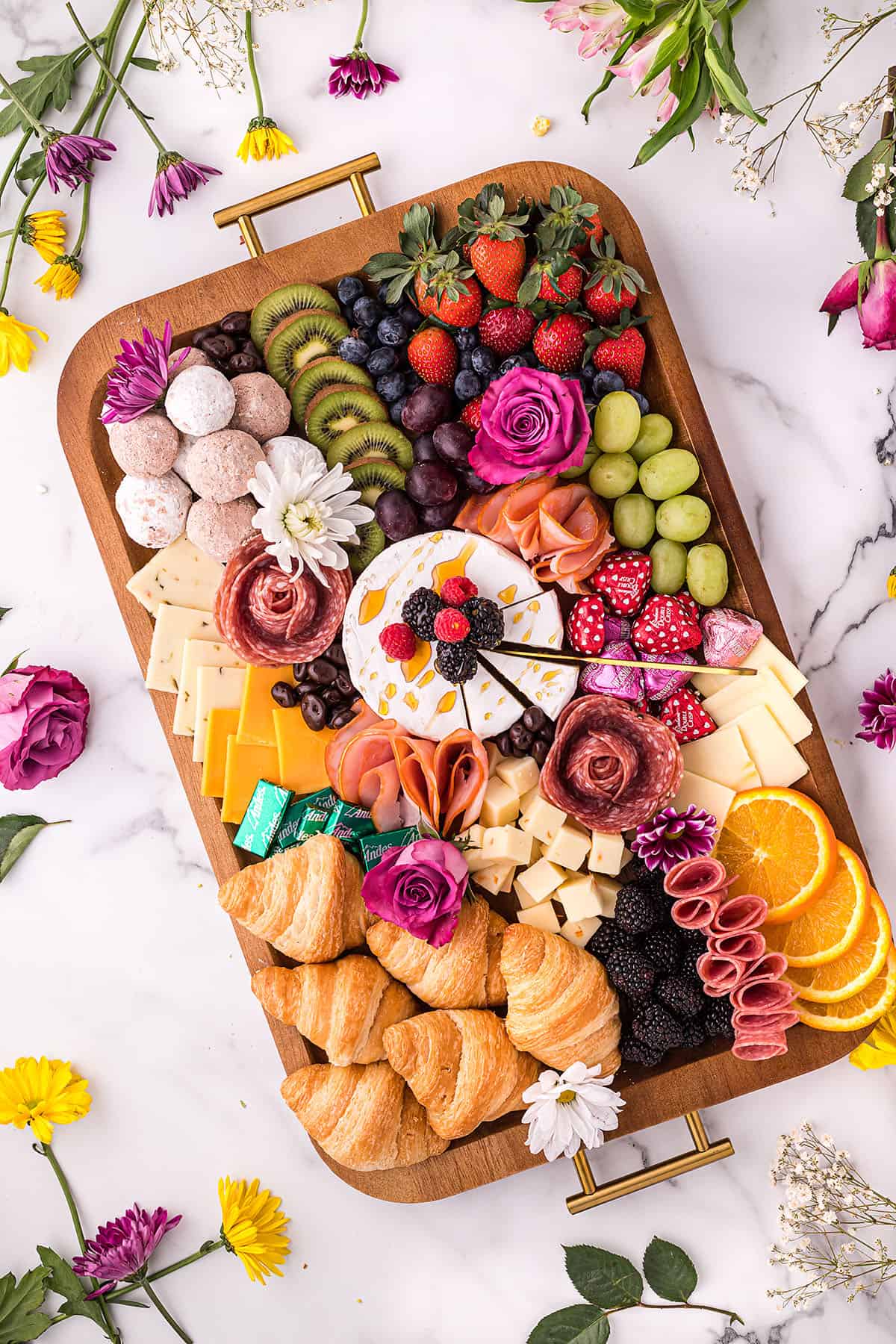
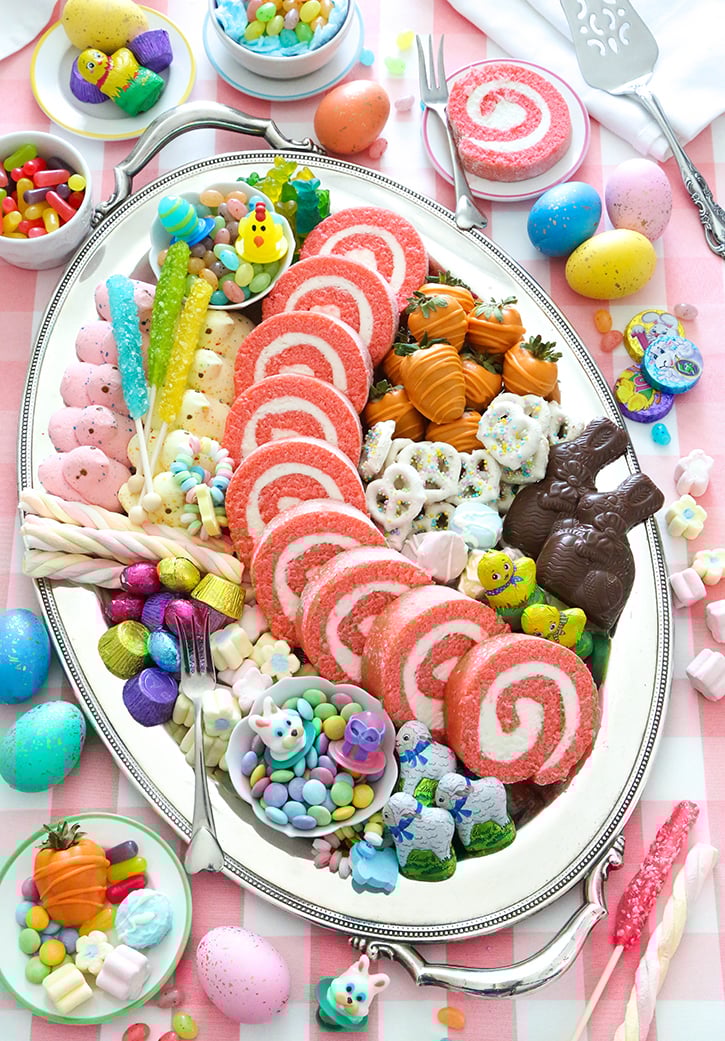
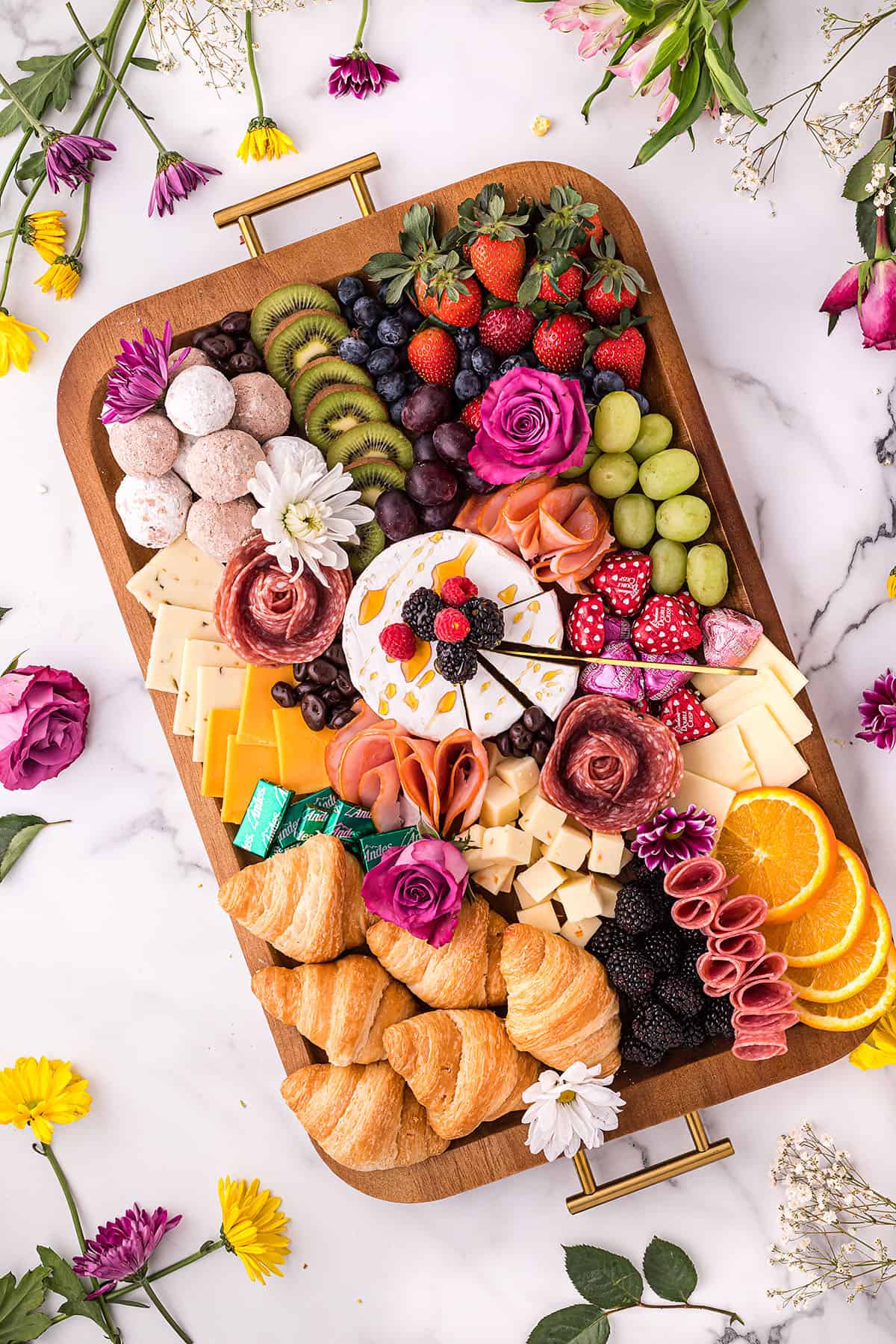
The 'baklava board' is a significant visual trend for Greek honey desserts, appearing on Instagram and TikTok. It features a beautifully arranged assortment of baklava in various flavors, accompanied by nuts, fruits, and honey for drizzling.
The appeal of the baklava board lies in its deconstructed presentation, a departure from traditional, uniform squares. This arrangement encourages customization, allowing diners to build their own bites by combining flavors and textures, offering an interactive experience.
Baklava's golden layers and glistening honey make it photogenic. The board serves as a centerpiece, designed for social media sharing, reflecting a performative aspect of dining. Whether this trend is fleeting or signals a shift in dessert approaches remains to be seen.
Modern Twists on Classic Recipes
The resurgence of interest in Greek honey desserts involves innovation, with chefs and bakers experimenting with traditional recipes and adding creative flair to reimagine classic flavors.
Baklava variations include pistachio and rosewater, creating a delicate floral aroma that complements honey's sweetness. Other variations use different nuts like walnuts or pecans for textural contrast. Galaktoboureko is infused with cardamom for a warm, spicy note.
A growing demand exists for desserts catering to dietary restrictions. Bakers explore alternative flours, such as almond or gluten-free blends, to make baklava and other treats more accessible. Some experiment with alternative sweeteners, though this can compromise authentic flavor.
Using local honey varieties is another trend. Chefs partner with beekeepers to source honey with unique flavor profiles, enhancing desserts and supporting local producers. Akis Petretzikis demonstrated a technique for a speedier Tsoureki in a 2025 YouTube video, showing adaptability in tradition.
Pairing Greek Honey Desserts
Pairing Greek honey desserts with the right beverage can elevate the experience by balancing sweetness and acidity or complementing aromatic notes.
Dessert wines are a natural choice. Moscato d’Asti, with its light fizz and floral aromas, pairs well with baklava. Vin Santo offers a complex flavor profile that complements galaktoboureko. Herbal teas, like chamomile or mint, provide a refreshing counterpoint to sweetness.
Strong Greek coffee, served black, can cut through the richness of honey-soaked desserts. Metaxa, a Greek brandy with notes of honey and spice, echoes the dessert flavors for a bolder pairing.
Experiment to find enjoyable combinations that enhance the flavors of both the dessert and the beverage.
- Moscato d’Asti: Light fizz and floral aromas
- Vin Santo: Complex flavor profile
- Herbal teas (Chamomile, Mint): Refreshing counterpoint
- Greek Coffee: Strong and black
Greek Honey Dessert & Beverage Pairing Guide
| Dessert | Moscato | Vin Santo | Herbal Tea | Coffee | Metaxa |
|---|---|---|---|---|---|
| Baklava | Excellent | Excellent | Good | Okay | Excellent |
| Galaktoboureko | Good | Excellent | Good | Okay | Good |
| Loukoumades | Good | Good | Excellent | Good | Okay |
| Samali | Okay | Good | Good | Okay | Good |
Illustrative comparison based on the article research brief. Verify current pricing, limits, and product details in the official docs before relying on it.
DIY: A Simplified Baklava Recipe
Want to try making baklava at home? It can seem daunting, but this simplified recipe makes it more approachable. Don't be intimidated; the results are well worth the effort.
Ingredients: 1 package (16 ounces) phyllo dough, 1 cup (2 sticks) unsalted butter, melted, 1 cup chopped walnuts, 1/2 cup chopped pistachios, 1 teaspoon ground cinnamon, 1/4 cup sugar, 1 1/2 cups honey, 1/2 cup water, 1 tablespoon lemon juice.
Instructions: Preheat oven to 350°F (175°C). Brush a 9x13 inch baking dish with melted butter. Layer 6 sheets of phyllo dough, brushing each with butter. Sprinkle with 1/3 of the nut mixture and 1/4 cup sugar. Repeat layers 5 times. Top with remaining phyllo dough, brushing with butter. Score baklava into diamond shapes. Bake for 30-40 minutes, or until golden brown.
While baklava is baking, make the syrup: combine honey, water, and lemon juice in a saucepan. Bring to a boil, then reduce heat and simmer for 5 minutes. Pour syrup over hot baklava. Let cool completely before serving. The quality of the honey is crucial here – use a good quality Greek honey for the best flavor.
Don't worry if your baklava isn't perfect on your first try. It takes practice to master the art of working with phyllo dough. The most important thing is to have fun and enjoy the process. A little patience goes a long way.
- Preheat oven to 350°F (175°C).
- Brush baking dish with melted butter.
- Layer phyllo dough, brushing with butter.
- Sprinkle with nut mixture and sugar.
- Repeat layers.
- Score baklava into diamond shapes.
- Bake for 30-40 minutes.
- Make honey syrup.
- Pour syrup over hot baklava.
- Let cool completely.
No comments yet. Be the first to share your thoughts!