

Ube's Unstoppable Rise
Ube, a purple yam from the Philippines, has become a dessert sensation. It started gaining popularity around 2019 in Filipino bakeries before moving into the mainstream. Traditionally, it was a staple in Filipino communities for desserts like halaya.
Ube's popularity persists due to its subtle sweetness, often compared to a mix of vanilla and pistachio. This makes it versatile for cakes, cookies, ice cream, and even savory dishes.
The striking purple color of ube is a major draw for social media, with TikTok and Instagram showcasing numerous ube treats. Brands like Magnolia Bakery have capitalized on this, releasing an ube cheesecake in early 2023.
Ube is transitioning from a trend to a staple ingredient. Its popularity continues to grow as it's paired with other flavors and used in new formats, with consumers appreciating its taste beyond its visual appeal.
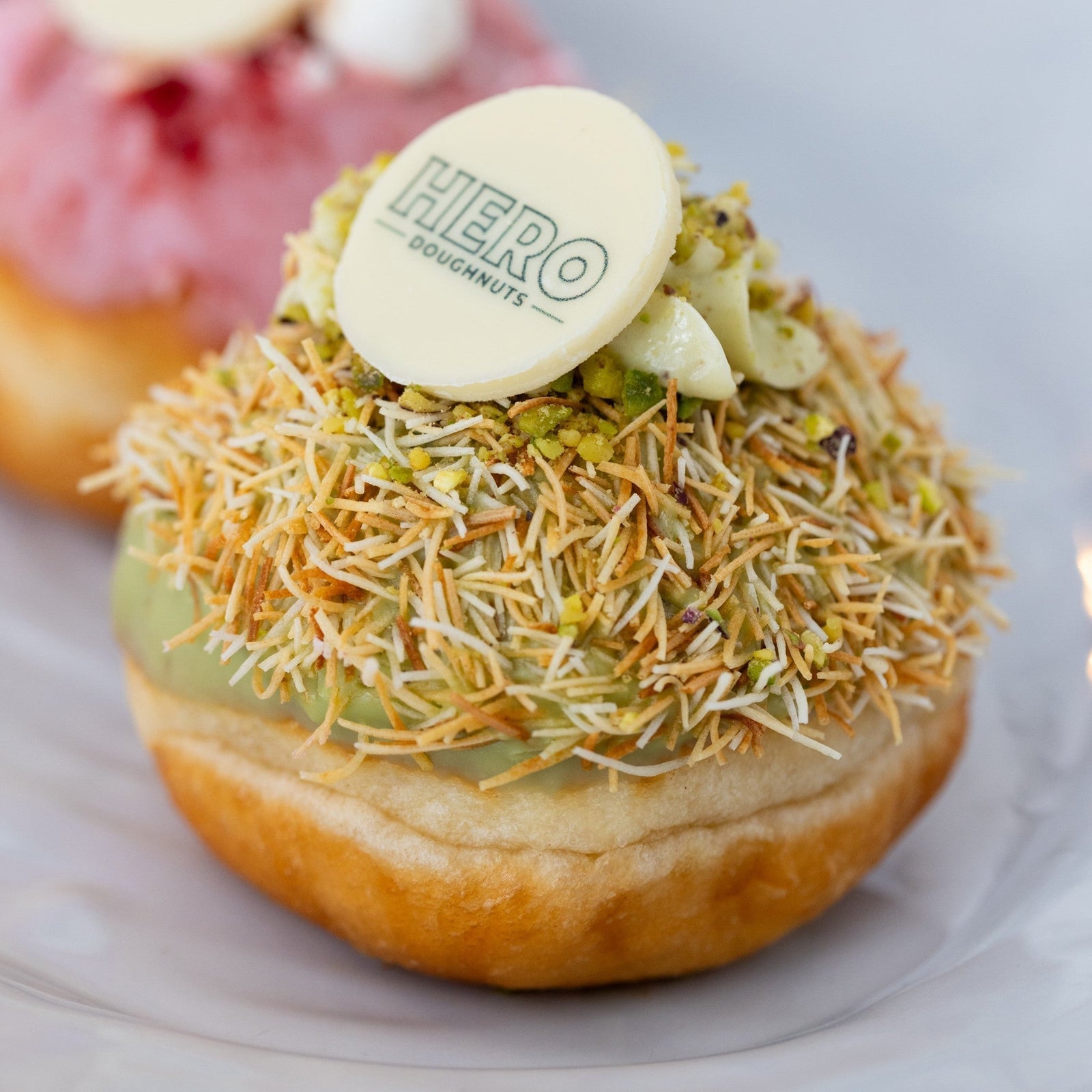
Mochi Donuts: Texture Takes Center Stage
Mochi donuts are known for their signature chewy and bouncy texture, setting them apart from traditional donuts. This unique chewiness comes from glutinous rice flour (mochiko), a texture many consumers actively seek.
Mr. Mochi in Fountain Valley, California, helped popularize mochi donuts around 2018, leading to a rapid spread of shops across the US and internationally.
Mochi donuts come in endless flavor and glaze variations, from classic chocolate and vanilla to matcha, black sesame, and yuzu. Shops also experiment with seasonal flavors like pumpkin spice and strawberry.
Regional variations are emerging, with some bakeries incorporating local ingredients. For example, shops in Hawaii use local fruit purees in their glazes.
Ordered some mochi donuts cus I wanted a nice gluten free sweet treat and then I was like hmmmm… these taste suspiciously good… so I googled and ya, they have gluten in them 😍
— tess (@tessiconic) April 14, 2026
Japanese Soufflé Pancakes: Beyond the Fluff
Japanese soufflé pancakes achieve their fluffy, jiggly texture through a specific technique involving separated eggs, whipped egg whites, and gentle folding. The process yields impressive results.
The towering stacks of Japanese soufflé pancakes are visually appealing and popular on Instagram. Their light, airy texture that melts in the mouth contributes to their sustained popularity.
While the classic recipe is popular, some shops are infusing pancake batter with flavors like matcha or black sesame, or offering unique toppings such as caramelized bananas or kinako (roasted soybean flour).
Japanese soufflé pancakes offer an experience to be savored rather than a quick breakfast. Their appeal remains strong.
Korean Bingsu: A Customizable Cool-Down
Korean bingsu, or shaved ice, is a customizable dessert featuring finely shaved ice piled high with sweet beans, fruits, jellies, condensed milk, and sometimes cheesecake or other desserts.
Popular bingsu varieties include traditional patbingsu (red bean), injeolmi bingsu (rice cakes and roasted soybean powder), fruit bingsu, and chocolate or matcha bingsu.
Bingsu shops are becoming social destinations, often brightly decorated and designed for social media sharing. They offer an experience for spending time with friends.
Customization is a key appeal, allowing customers to choose toppings and create unique combinations, making each visit distinct.
Filipino Halo-Halo: A Dessert Symphony
Halo-Halo, meaning “mix-mix” in Tagalog, is a Filipino dessert combining shaved ice, sweet beans, fruits, jellies, leche flan, and ube ice cream for a rich mix of textures and flavors.
Halo-Halo is culturally significant in the Philippines, traditionally enjoyed during hot weather and at family gatherings, evoking a sense of home for many.
Halo-Halo is gaining popularity outside Filipino communities as Filipino cuisine receives wider recognition, leading to its inclusion on more menus.
Modern interpretations of Halo-Halo experiment with textures and flavors, such as unique ice cream flavors or unexpected toppings, while respecting the traditional essence of the dessert.
Taiwanese Bubble Tea Desserts
Bubble tea flavors are appearing in various desserts like ice cream, cakes, pastries, and puddings, a natural extension of the drink's popularity.
Translating popular bubble tea flavors like brown sugar milk tea or taro milk tea into desserts offers a comforting and nostalgic appeal.
The brown sugar bubble tea flavor is versatile, appearing in cheesecakes and macarons, alongside popular taro and matcha flavors, appealing to the existing bubble tea fanbase.
Unique combinations like bubble tea-flavored mochi and bubble tea-infused crème brûlée offer fun twists on classic treats, showcasing creative incorporation of bubble tea flavors.
Content is being updated. Check back soon.
Standout Regional Variations & Hybrids
Fusion desserts like ube macarons, matcha croissants, and black sesame cheesecakes exemplify the creative intersection
There are also unique regional variations emerging. In Japan, you’re seeing a rise in desserts that incorporate kinako (roasted soybean flour) and matcha in innovative ways. In Vietnam, chefs are experimenting with incorporating tropical fruits like mango and passion fruit into classic French pastries.
I've noticed a lot of experimentation with textures, too. Combining the chewy texture of mochi with the flaky layers of a croissant, or incorporating the crunch of sesame seeds into a soft cheesecake. These textural contrasts add another dimension to the dessert experience.
It's not just about replicating traditional desserts; it's about reimagining them. Chefs are taking inspiration from their heritage and using it to create something new and exciting. This fusion aspect is what makes the Asian dessert scene so dynamic and innovative.
- Ube macarons
- Matcha croissants
- Black sesame cheesecakes
Trending Dessert Hybrids
- Mochi Donuts - These chewy, ring-shaped treats blend the texture of mochi with the familiar form of a donut. Often flavored with matcha, black sesame, or yuzu.
- Ube Desserts - Ube (purple yam) continues its rise in popularity, appearing in everything from cheesecakes and ice cream to croissants and lattes. Its naturally vibrant color and subtly sweet flavor make it a versatile ingredient.
- Japanese Basque Cheesecake with Matcha - The already popular jiggly Japanese Basque cheesecake gets a green tea twist. The slight bitterness of matcha complements the rich, creamy cheesecake.
- Korean Bingsu with Western Flavors - Traditional Korean shaved ice (bingsu) is being reimagined with toppings like cookie dough, red velvet cake, and even tiramisu, alongside the classic fruit and red bean.
- Hong Kong Egg Waffles with Ice Cream & Toppings - Bubble waffles, known for their spherical shape, are becoming a vessel for elaborate ice cream sundaes, complete with drizzles, sprinkles, and fresh fruit.
- Filipino Halo-Halo with a Modern Twist - The classic Filipino shaved ice dessert, Halo-Halo, is seeing variations with premium ingredients like ube halaya, Japanese mochi, and leche flan.
- Thai Tea Crepes - Inspired by French crepes, these thin pancakes are infused with the distinctive flavor of Thai tea and often filled with sweet condensed milk and fresh fruit.
Where These Trends Go Next
I anticipate we’ll see even more fusion desserts in the coming years. The lines between Asian and Western pastry traditions will continue to blur, leading to exciting new creations. I think we’ll also see a greater emphasis on unique flavor pairings – unexpected combinations that challenge our palates.
Social media will continue to play a huge role in driving these trends. TikTok and Instagram will remain key platforms for discovering new desserts and sharing culinary experiences. Visual appeal will be more important than ever.
It's harder to say whether we’ll see a greater emphasis on healthier dessert options. Indulgence still seems to be the dominant theme, but there’s a growing demand for desserts that are lower in sugar or made with more natural ingredients. It's a space to watch.
Ultimately, the future of Asian dessert trends is unpredictable, but one thing is certain: it will be delicious. The creativity and innovation within the Asian dessert scene are boundless, and I’m excited to see what the next few years bring.


No comments yet. Be the first to share your thoughts!