

Tres Leches: Beyond the Basics
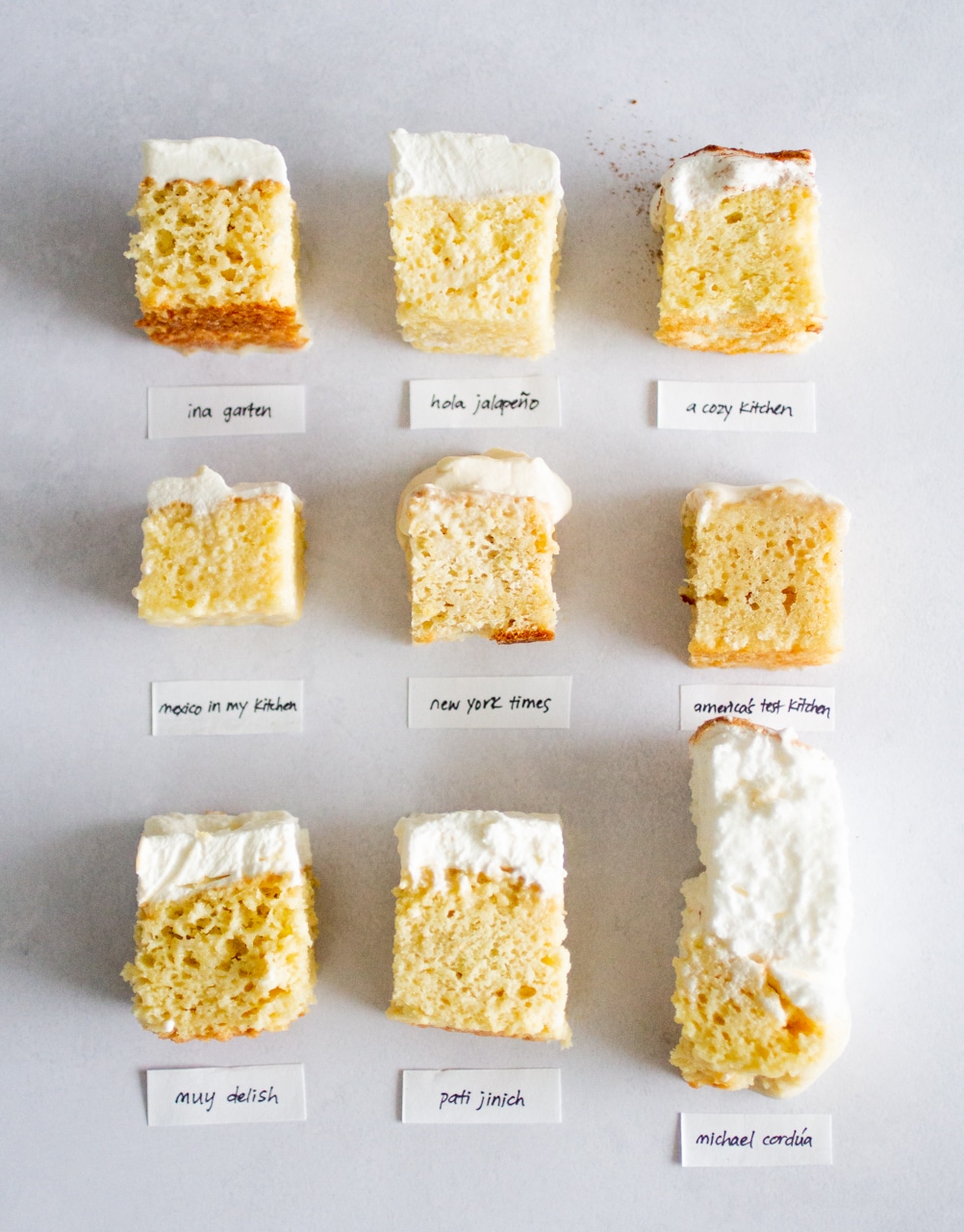
Tres Leches cake, meaning "three milks,’ is a sponge cake soaked in evaporated milk, condensed milk, and heavy cream. It’s a popular Mexican dessert, resulting in an incredibly moist, tender, and subtly sweet cake. Traditionally, it"s a simple, unfrosted cake, often enjoyed after a meal as a light treat.
The origins of Tres Leches are debated, but it’s believed to have originated in Nicaragua in the 1920s before becoming popular in Mexican cuisine and globally. This dessert is now widely found on restaurant menus and is recreated by home bakers.
While the classic recipe is excellent, Tres Leches is adaptable. Creative variations are emerging as people experiment with flavors and textures. This article explores seven exciting twists that are gaining attention.
Chocolate Tres Leches: A Decadent Upgrade
For chocolate lovers, this variation offers a deep, rich flavor by incorporating chocolate in multiple ways. Add unsweetened cocoa powder, sifted to avoid lumps, directly to the cake batter. Using chocolate milk in the soaking liquid is another option, but be mindful of the added sugar.
A chocolate ganache topping enhances this cake. Use a good quality semi-sweet chocolate—around 60-70% cacao—for a balanced flavor. Dark chocolate can be overpowering, and milk chocolate might be too sweet. The type of chocolate significantly changes the overall experience. Experiment to find your preference.
To avoid a soggy cake, do not over-saturate the sponge. A gentle, even soaking is important. Consider reducing the amount of milk slightly to compensate for the added moisture from the chocolate. To make the soaking mixture: Combine 1 cup evaporated milk, 1 cup condensed milk, 1/2 cup heavy cream, and 1/4 cup cocoa powder. Soak a baked sponge cake evenly with this mixture.
Strawberry Swirl: A Fruity Delight
Strawberry and Tres Leches create a harmonious pairing. The tartness of strawberries balances the cake's sweetness. Infuse strawberry flavor by adding fresh strawberry puree to the milk mixture for a pink hue and authentic taste.
A strawberry glaze, made from reduced strawberry puree and sugar, is another option. Alternatively, crushed freeze-dried strawberries incorporated into whipped cream offer an intense strawberry flavor without excess moisture. The freeze-dried strawberry method is effective.
Garnish with fresh strawberry slices and mint for visual appeal. The contrast between the white cake, pink glaze, and green mint is attractive. Balancing sweetness is key; a squeeze of lemon juice in the strawberry puree can enhance tartness and prevent the cake from becoming cloying.
Matcha Magic: An Asian-Inspired Twist
This variation adds an East Asian influence to Tres Leches. Matcha, a finely ground green tea powder, provides an earthy flavor and a vibrant green color. Incorporate matcha into the cake batter to infuse the sponge, or create matcha-infused milk by whisking matcha powder into warm milk.
A matcha whipped cream topping is a great finish. The matcha's subtle bitterness complements the cream's sweetness. Sourcing good quality matcha is essential for flavor. Look for ceremonial grade matcha, which has a smoother texture and more vibrant color.
Start with 1-2 teaspoons of matcha powder per cup of milk or cake batter and adjust to taste. Too much matcha can result in a bitter flavor. Experiment to find the right balance. This offers a bolder flavor profile and is gaining popularity.
- Measure 2 teaspoons of matcha powder
- Whisk with 1 cup of warm milk
- Add to the three milk mixture
Spiced Tres Leches: Mexican Flavors Amplified
A spiced version celebrates the cake’s Mexican roots. Adding warm spices like cinnamon, cardamom, and chili powder to the cake batter or milk mixture elevates the flavor profile. These spices enhance the existing sweetness and add depth without overwhelming.
Spiced rum in the soaking liquid is a delicious addition that complements the spices. This variation stays true to traditional Mexican dessert flavors. Use the rum judiciously for a subtle hint, not an overpowering alcoholic taste.
Start with 1/2 teaspoon of cinnamon and 1/4 teaspoon each of cardamom and chili powder per cake, adjusting to your preference. A little goes a long way. The goal is to enhance, not mask, the classic Tres Leches flavor.
Cream Cheese Frosting: A Texture Transformation
While traditional Tres Leches is often unfrosted, a cream cheese frosting adds textural contrast. It provides a tangy, creamy element that complements the soaked sponge. Use full-fat cream cheese for a stable frosting; reduced-fat versions tend to be too soft.
Avoid over-beating the cream cheese, as this can make it grainy. Beat it gently until smooth. Flavor combinations include vanilla bean paste, lemon zest, or almond extract.
This variation is popular in modern bakeries, appealing to those who prefer a more substantial dessert. It serves as an approachable option for those unfamiliar with Tres Leches, as the cream cheese frosting provides a familiar element.
- 8 ounces full-fat cream cheese, softened
- 1/2 cup powdered sugar
- 1 teaspoon vanilla extract
Boozy Tres Leches: Adult Indulgence
For an adult version, add liqueur to the soaking liquid. Rum, brandy, coffee liqueur, or tequila pair well with Tres Leches. The alcohol enhances flavors and adds warmth. Adjust the amount of alcohol to your preference.
Start with 1-2 tablespoons of liqueur per cup of milk mixture. You can add more, but not less. The alcohol affects the cake's texture, making it softer by interfering with the
I’m not sure about specific legal restrictions regarding alcohol in desserts, so it’s best to err on the side of caution and clearly label the cake if it contains alcohol. Consider offering a non-alcoholic version alongside the boozy version to accommodate all preferences.
2026 Dessert Trends: What's Next?
Looking ahead to 2026, I predict we’ll see even more fusion desserts, blending flavors and techniques from different culinary traditions. Think Tres Leches incorporating flavors from Filipino ube or Japanese yuzu. The possibilities are endless. There's a growing demand for desserts that tell a story and offer a unique experience.
We’ll also see an increase in demand for gluten-free and vegan Tres Leches variations. Bakers are becoming more skilled at creating delicious gluten-free sponges and plant-based milk mixtures that mimic the texture and flavor of the original. This caters to a wider range of dietary needs and preferences.
Finally, I anticipate a trend towards smaller, individual-sized desserts. People are increasingly looking for portion control and convenience. Mini Tres Leches cakes or Tres Leches parfaits are perfect for satisfying a sweet craving without committing to a large slice. The Sweet Sea Man recipes are always looking to stay ahead of these trends, and we're excited to see what the future holds for this beloved dessert.
Which Tres Leches Cake variation are you most excited to try?
We covered seven creative twists on the classic Mexican Tres Leches Cake, and we want to know which one caught your eye. Whether you love rich chocolate, fruity flavors, or something unexpected, vote below and let us know which variation you would bake first!


No comments yet. Be the first to share your thoughts!