

Gulab Jamun Gets a Glow-Up
Indian desserts are changing. Gulab Jamun has long been a staple at celebrations, but chefs and home bakers are now blending classic Indian flavors with global techniques and ingredients. This evolution honors tradition while introducing new twists.
People want new tastes and unique food experiences. Younger generations, exposed to many cuisines, are especially adventurous. Global baking trends, such as French patisserie and Italian gelato, also influence how these sweets are reimagined.
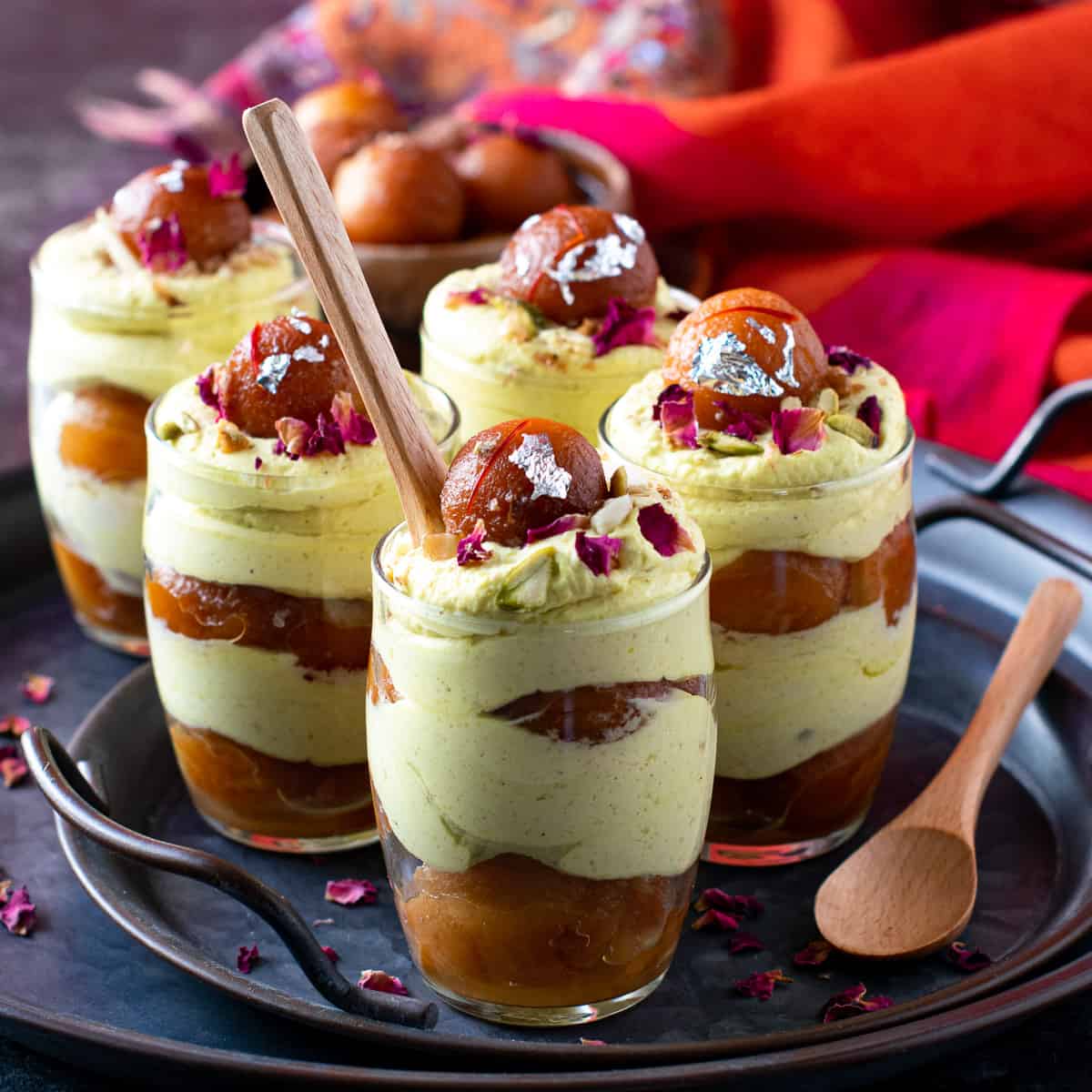
Gulab Jamun is now found in cheesecakes, mini tarts, and macarons. This evolution shows how a classic can stay popular with creativity.
Seviyan's Speedy Rise in Popularity
Seviyan, or Sheer Khurma, is becoming more popular, partly due to quick recipes. Traditionally served during Eid for its vermicelli and creamy texture, it's now a more common treat thanks to faster preparation methods.
For example, 'Grandma’s Indian Kitchen' on YouTube shared a video on April 1, 2026, showing how to make creamy Seviyan in 15 minutes. This speed appeals to busy home cooks.
This shift shows people want authentic experiences but also convenience. Quick Seviyan recipes make it accessible to more people.
Kulfi's International Flavor Journey
Kulfi, the traditional Indian frozen dessert, is becoming more international. Classic flavors like pistachio, mango, and cardamom are still popular, but chefs are experimenting with global flavor pairings, expanding Kulfi's appeal beyond the Indian diaspora.
Combinations like lavender-pistachio, rose-cardamom with Turkish delight, mango-passionfruit, and saffron-honey are emerging. These pairings complement the Kulfi base.
Kulfi is also being presented differently. While traditional cones or matka are still used, Kulfi now appears on dessert platters, in verrines, and as parfaits. Presentation is becoming as important as taste.
- Lavender-pistachio
- Rose-cardamom with Turkish delight
- Mango-passionfruit
- Saffron-honey
Emerging Kulfi Flavors
- Pistachio & Rosewater with Saffron Threads - A refined take on classic flavors, emphasizing floral notes and the luxurious aroma of saffron. Inspired by Persian influences on Mughal cuisine.
- Black Sesame & Cardamom Kulfi - Drawing on East Asian pastry traditions, black sesame provides a nutty, savory counterpoint to the warm spice of cardamom. Popularity of black sesame desserts is rising globally.
- Mango Sticky Rice Kulfi - Inspired by the beloved Thai dessert, this kulfi incorporates coconut milk and glutinous rice for a creamy, textured experience alongside ripe mango puree.
- Coffee & Date Kulfi - A robust and sophisticated flavor profile, combining the bitterness of coffee with the natural sweetness of dates. Reflects the growing coffee culture in India and the Middle East.
- Guava Chili Kulfi - A sweet and spicy combination, utilizing the tropical flavor of guava balanced with a subtle chili kick. Inspired by the popular sweet-spicy flavor pairings in Mexican cuisine.
- Lavender & Honey Kulfi - A delicate and aromatic kulfi, utilizing the floral notes of lavender paired with the natural sweetness of honey. Reflects the increasing use of lavender in desserts globally.
- Coconut & Pandan Kulfi - Taking cues from Southeast Asian cuisine, pandan leaf lends a unique, fragrant aroma and subtle sweetness to the creamy coconut base.
Deconstructing & Rebuilding Gulab Jamun
Gulab Jamun is being deconstructed and rebuilt into new dessert formats. The goal is to reimagine its essence while retaining its recognizable flavor and texture.
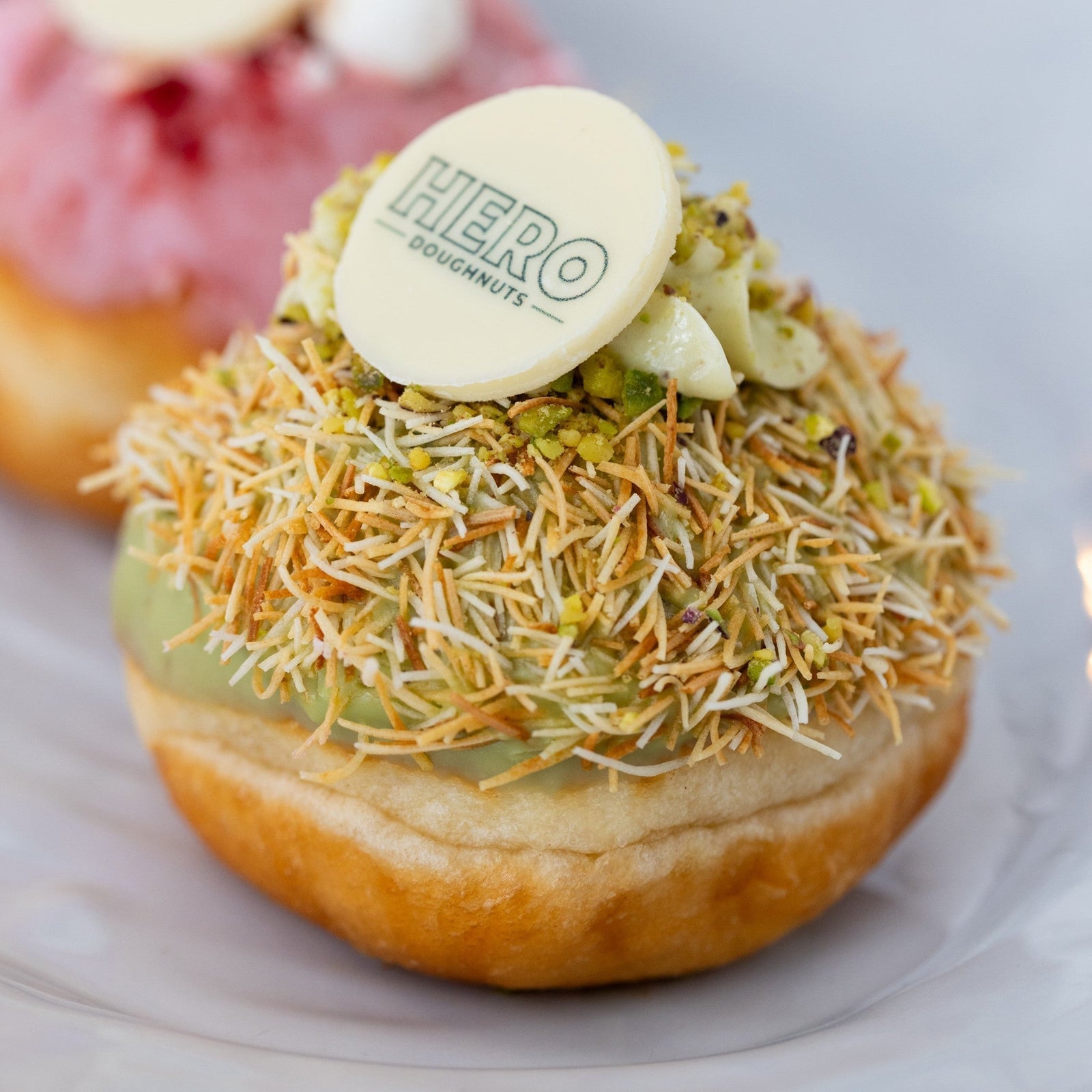
Innovative creations include Gulab Jamun cheesecakes, where sweetness balances cream cheese tang. Gulab Jamun-stuffed donuts offer textural contrast, and Gulab Jamun mousse provides a lighter interpretation. These require a deep understanding of flavor and baking.
Adapting Gulab Jamun has challenges. Its soft texture is hard to replicate, and balancing its sweetness without overpowering other flavors is crucial. Chefs reduce the syrup, add spices, and use acidic components to achieve balance.
Gulab Jamun-inspired ice creams and bread pudding are also appearing. These show the flavor's versatility and bakers' willingness to experiment. The goal is to honor the original while pushing boundaries.
Texture Play: Kulfi Beyond Smooth
Kulfi used to be known for its smooth, dense texture. Now, chefs are adding textural elements for a more dynamic eating experience. This is a new development gaining momentum.
Crunchy elements like chopped nuts, cookie crumbs, and brittle pieces are popular additions, contrasting with the creamy base. Layered Kulfi parfaits with granola, fruit compote, and whipped cream also add complexity and visual appeal.
Experimental techniques, like nitrogen-frozen Kulfi, are also emerging, creating a smooth texture with a different mouthfeel. While these changes are exciting, traditionalists still prefer the classic smooth texture. Both versions are available.
The Rise of Vegan & Gluten-Free Options
Dietary needs are impacting Indian desserts. Vegan and gluten-free Gulab Jamun and Kulfi are becoming more common due to health consciousness and restrictions. Bakers now need to cater to a wider range of needs.
Creating vegan versions presents challenges. Vegan Gulab Jamun replaces khoya with cashew cream or coconut milk. Vegan Kulfi uses coconut cream, almond milk, or cashew milk as a base. The goal is to maintain richness and creaminess without compromising flavor.
Gluten-free versions substitute traditional flour with almond flour, rice flour, or a gluten-free blend. These options are gaining acceptance, allowing more people to enjoy Indian desserts while meeting dietary needs.
Regional Variations & Hybrid Creations
India's diverse regional culinary traditions are now directly influencing fusion dessert creations. Different regions boast unique variations of Gulab Jamun and Kulfi, and these regional specialties are providing inspiration for innovative hybrid desserts. It’s a beautiful example of how local flavors can be combined to create something entirely new.
For example, the Bengali version of Gulab Jamun, known as kamala bhog, is often flavored with citrus and has a slightly different texture than the North Indian version. This distinct flavor profile lends itself well to experimentation. Similarly, the Goan bebinca, a layered coconut-based cake, is inspiring Kulfi creations with its complex flavors and textures. A Kulfi inspired by Bebinca, with layers of coconut Kulfi and caramelized sugar, would be a truly unique offering.
We are also seeing chefs incorporating regional spices and ingredients into their desserts. Using spices like asafoetida or black salt in Gulab Jamun, or incorporating regional fruit purees into Kulfi, adds a layer of complexity and authenticity. This regional influence is enriching the fusion dessert scene and showcasing the incredible diversity of Indian cuisine.


No comments yet. Be the first to share your thoughts!