

Spring 2026 Dessert Board Aesthetics
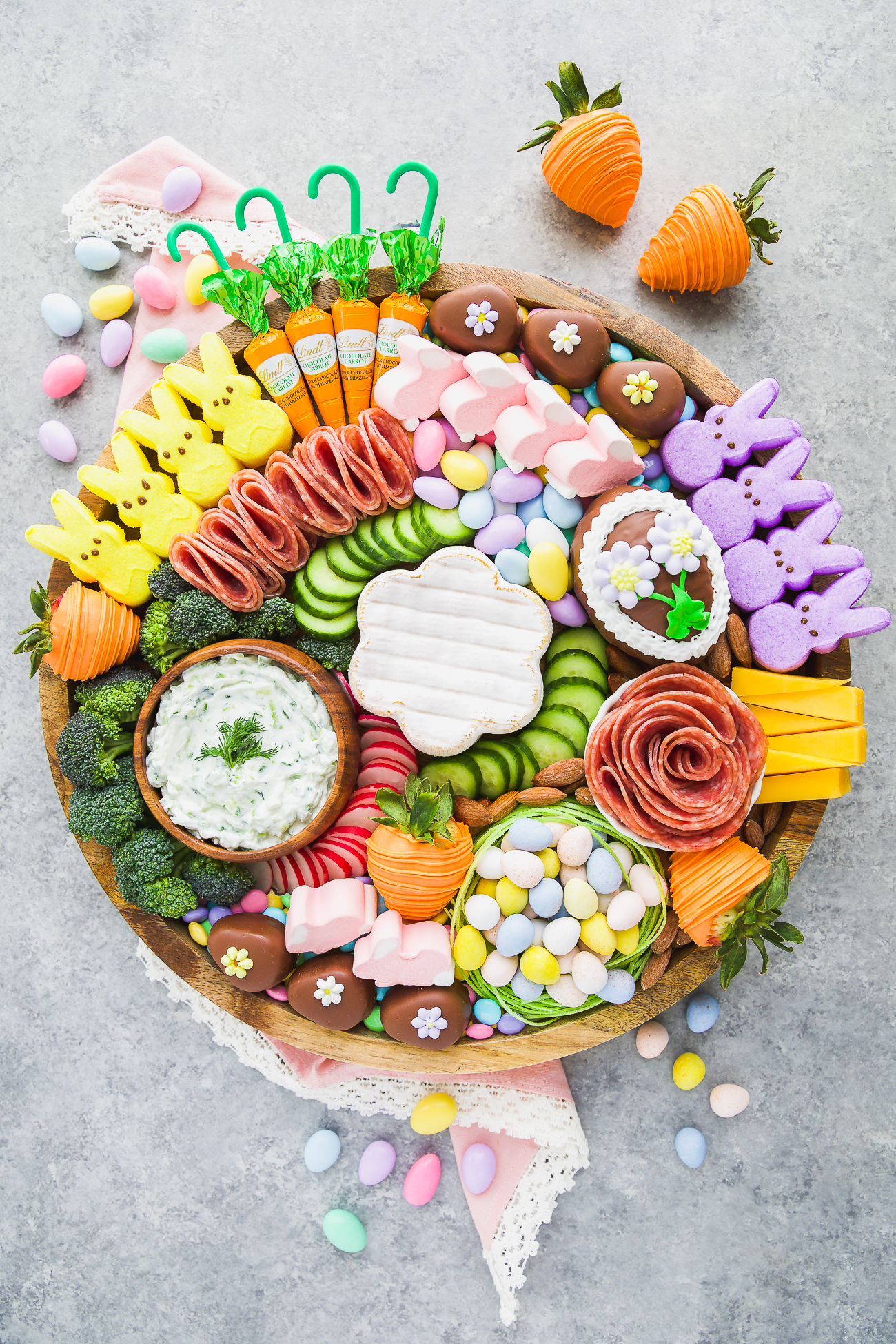
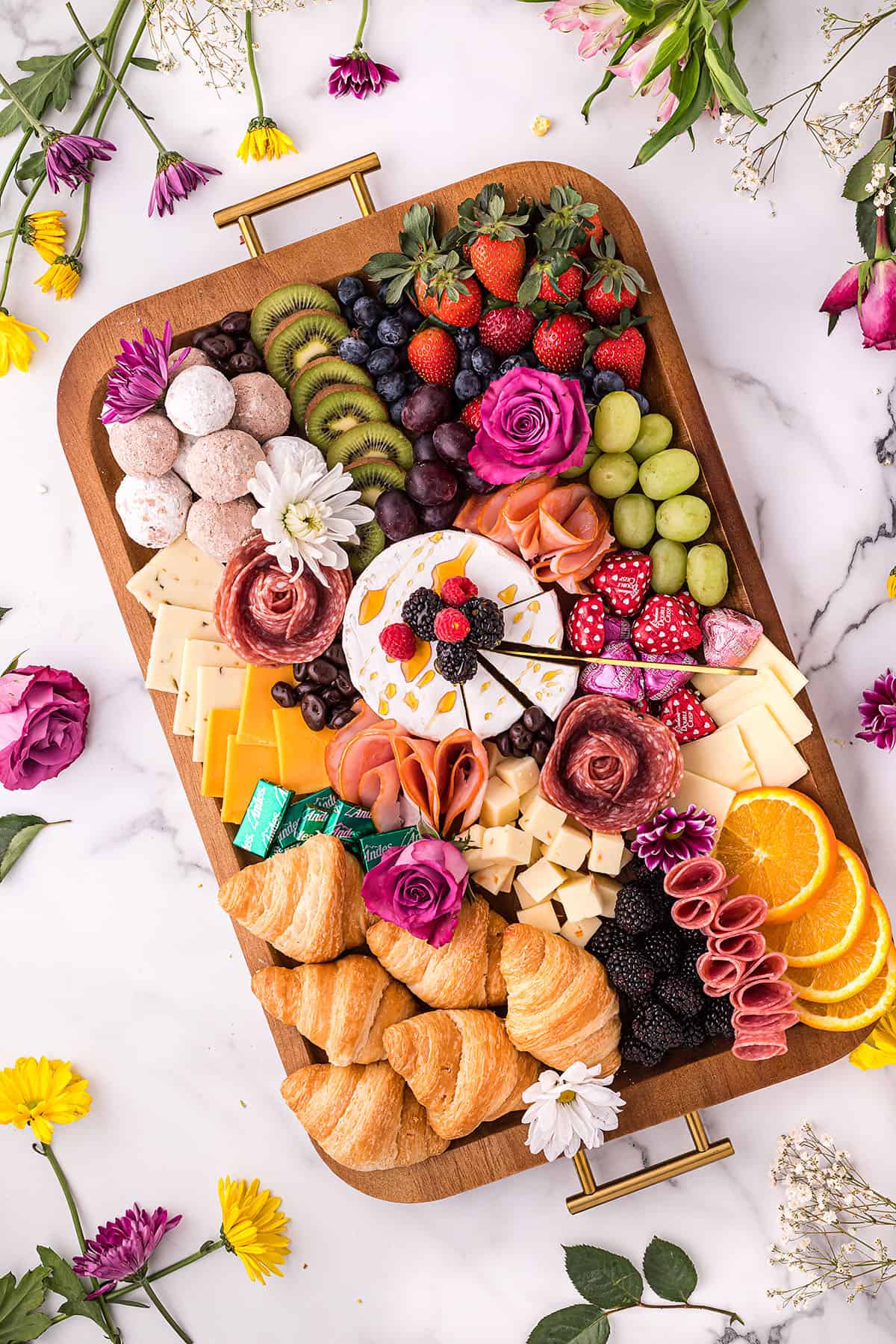
Spring 2026 dessert charcuterie boards are moving away from overly styled, perfectly symmetrical arrangements toward a more relaxed, abundant feel. Expect influences from 'cottagecore' and 'modern farmhouse' styles, with a spring twist featuring abundant florals and a brighter color palette.
Color schemes will be soft and inviting, with pastels like blush pink, lavender, and mint green prominent, alongside brighter pops of color inspired by wildflowers. The goal is to evoke a spring garden. Boards will favor natural materials like wood, slate, and marble.
Arrangement will favor organic flow over rigid rows, with asymmetrical designs gaining traction. Elements can spill over the edges, creating 'vignettes' within the display. The aim is a visually interesting arrangement, not a perfectly organized grid. A touch of messiness adds charm and makes the board feel more inviting.
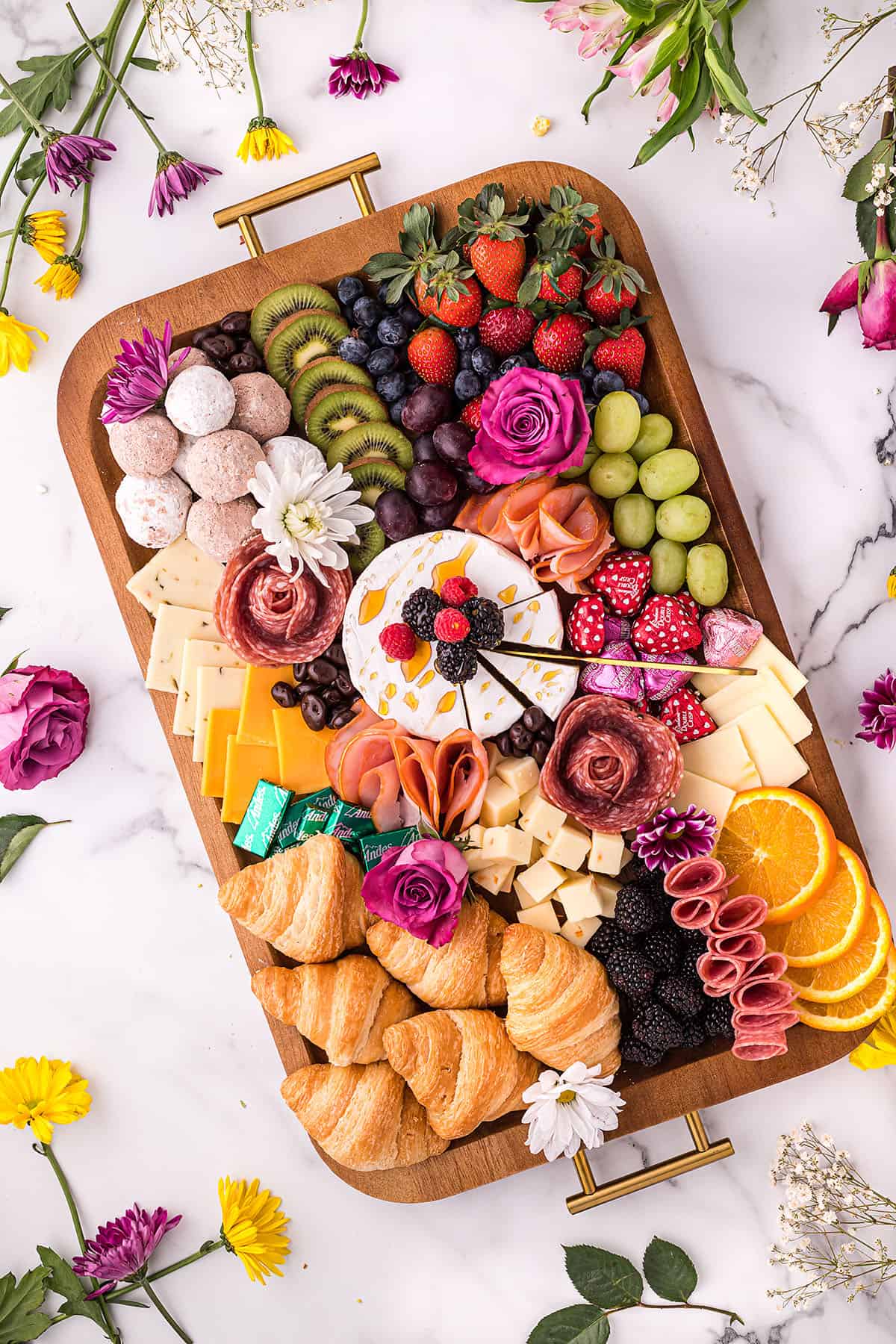
Presentation will be less fussy, focusing on ingredient quality over elaborate decorations. Feature fresh fruit, handmade pastries, and edible flowers to celebrate the season and the joy of sharing food.
Edible Flowers: Beyond Garnish
Edible flowers are becoming integral to dessert board design and desserts, moving beyond a simple garnish. Their use is more sophisticated, with a greater understanding of flavor profiles and culinary applications.
Some of the best flowers to use include violets (delicate, slightly sweet), nasturtiums (peppery, vibrant), roses (fragrant, floral), lavender (aromatic, calming), and chamomile (apple-like, soothing). Each flower brings a unique flavor and visual element to the board. I’m particularly excited about the potential of nasturtiums to add a surprising kick to otherwise sweet treats.
Chefs and bakers are incorporating flowers creatively. Candied violets appear in macarons and on chocolate truffles. Rosewater flavors pastries, and lavender-infused honey is drizzled over cheeses and fruit, building layers of flavor.
Safety is paramount when using edible flowers. Always source from reputable growers who don’t use pesticides. Not all flowers are safe to eat; research carefully, as some, like daffodils, are toxic. Only consume flowers specifically grown for consumption. Kitchen Confidante highlights the importance of responsible sourcing.
- Violets: Delicate, slightly sweet flavor
- Nasturtiums: Peppery, vibrant color
- Roses: Fragrant, floral aroma
- Lavender: Aromatic, calming properties
- Chamomile: Apple-like flavor, soothing effect
Edible Flowers for Spring 2026 Dessert Charcuterie Boards
| Flower Name | Flavor Profile | Best Dessert Uses | Difficulty to Source | Allergy Concerns |
|---|---|---|---|---|
| Rose | Floral, slightly sweet | Macarons, syrups, Turkish Delight, rosewater-infused creams | Medium | Potential allergen for those with rose allergies; may cause skin irritation in sensitive individuals. |
| Nasturtium | Peppery, slightly spicy | Candied petals, salads with fruit, garnish for cheesecakes | Easy | None widely reported, but those allergic to other flowers in the same family (like mustard) may experience a reaction. |
| Viola (Pansy) | Mildly floral, slightly grassy | Candied, decorating cakes and cupcakes, infused into simple syrups | Easy | Generally considered safe, but potential for mild allergic reaction in sensitive individuals. |
| Lavender | Floral, sweet, herbaceous | Shortbread cookies, ice cream, lemon desserts, infused honey | Medium | May cause allergic reactions in those sensitive to Lamiaceae family plants (mint, rosemary, sage). |
| Hibiscus | Tart, cranberry-like | Jellies, syrups, teas, garnishes for chocolate desserts | Medium | May interact with certain medications; consult a healthcare professional if concerned. |
| Chamomile | Apple-like, floral | Infused creams, panna cotta, shortbread, delicate cakes | Easy | Those with ragweed, marigold, or daisy allergies may experience a reaction. |
| Calendula | Peppery, slightly spicy | Garnish for fruit tarts, candied petals, infused oils for baking | Easy | May cause allergic reactions in those sensitive to Asteraceae family plants (ragweed, chrysanthemums, marigolds). |
| Borage | Cucumber-like, slightly sweet | Frozen in ice cubes for drinks, garnish for fruit salads, candied | Medium | None widely reported, but use caution if you have a history of allergies. |
Illustrative comparison based on the article research brief. Verify current pricing, limits, and product details in the official docs before relying on it.
Seasonal Fruit Focus: Rhubarb & Stone Fruit
Spring 2026 will feature seasonal fruit, with rhubarb and early stone fruit taking center stage. Rhubarb's tartness offers a counterpoint to sweetness and defines the spring palate. The focus will be on highlighting the fruit’s natural flavor, rather than masking it with excessive sugar.
Rhubarb crumbles, tarts, and compotes will appear on dessert boards, paired with creamy cheeses or vanilla bean ice cream. Stone fruit, such as apricots, peaches, and plums, will also be popular in tarts, galettes, and alongside cheeses. Their early availability makes them a centerpiece of spring desserts.
Balancing tartness with sweetness is important when working with these fruits. Almond extract or vanilla bean can enhance their natural flavors. A trend towards using less refined sugars like maple syrup or honey will let the fruit shine. Sweet Sea Man’s advice on nutty pairings will complement these fruit flavors.
Experiment with different preparations. Roasted rhubarb with cinnamon is a simple, elegant addition. Grilled peaches with honey and mascarpone are another delicious option. The key is to highlight fresh, seasonal flavors.
Global Inspirations: Japanese Mochi & Greek Spanakopita
There is growing interest in incorporating global flavors into dessert boards, moving beyond traditional European-centric offerings. Japanese mochi and miniature Greek spanakopita can add unique and unexpected elements.
Japanese mochi, especially in pastel spring colors, is trending. Its chewy texture and delicate flavors contrast well with other desserts. Serve it plain, filled with sweet bean paste, or dusted with matcha powder. Mochi's aesthetic appeal fits the spring theme.
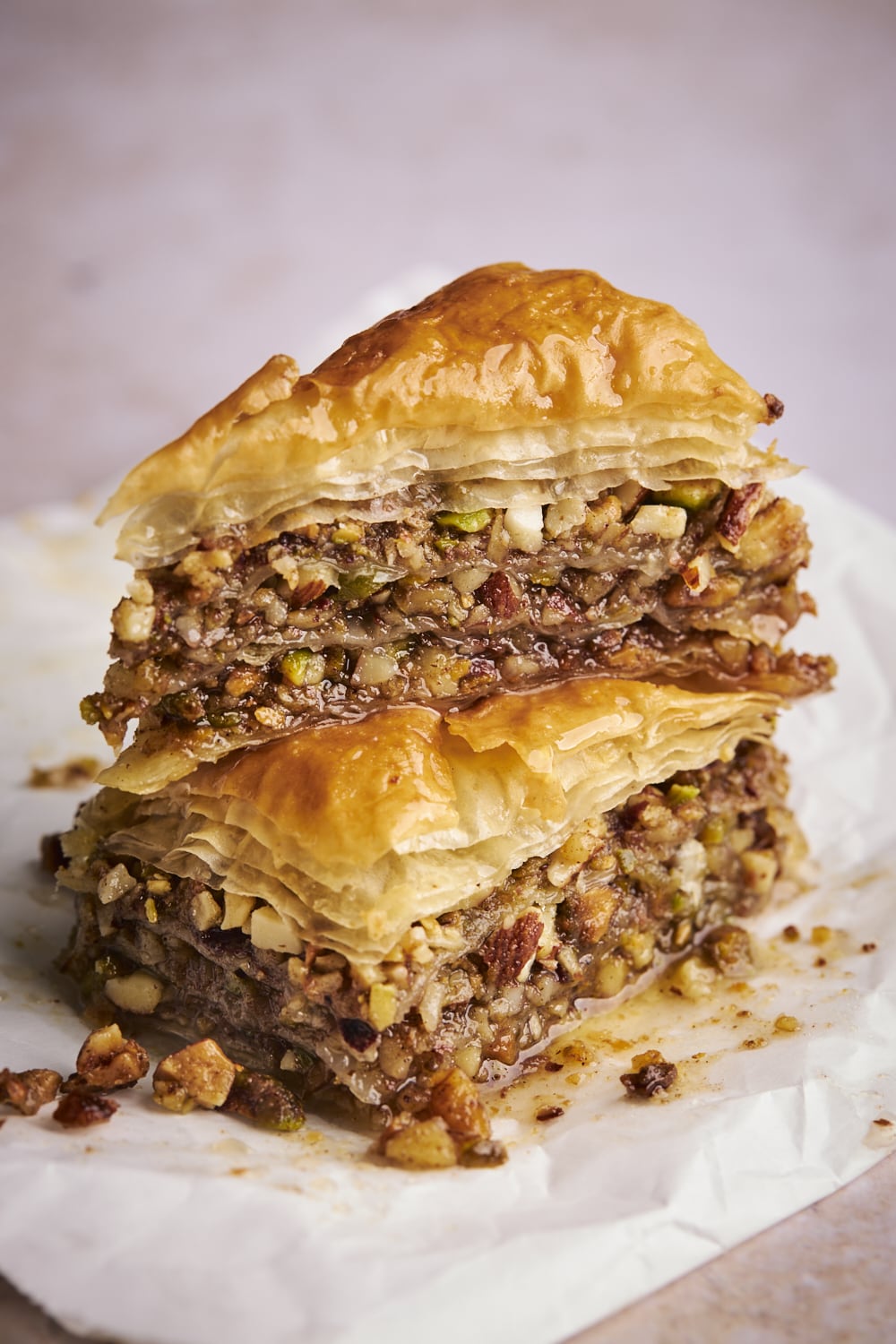
Miniature Greek spanakopita, sweetened with honey and pistachios, are another intriguing addition. The flaky pastry and savory-sweet filling offer a complex flavor profile that will surprise and delight guests. It's a playful twist on a classic dish.
Integrate global elements by offering small portions and clear labeling. Encourage guests to try new items without feeling overwhelmed. This creates a conversation starter and offers a unique flavor experience.
Content is being updated. Check back soon.
Cream Cheese Dessert Variations
Cream cheese desserts remain a crowd-pleaser, with 2026 bringing new variations. While cheesecake bites will stay popular, expect more creative presentations and flavor combinations.
Cream cheese mousse parfaits layered with fruit compotes and granola, and mini cream cheese-filled pastries like croissants or danishes will be featured. Savory-sweet combinations, such as cream cheese with lemon zest and sea salt, are also emerging.
Basque burnt cheesecake will be a centerpiece element. Its caramelized exterior and creamy interior offer a unique texture and flavor profile, making it a visually striking dessert. The rustic look fits the 'cottagecore' aesthetic.
Techniques for making light and fluffy cream cheese fillings are becoming more refined. Using high-quality cream cheese and incorporating air into the mixture are key. Sour cream can also help create a smoother, tangier flavor.
Dessert Board Pairings: Wine & Tea
A thoughtfully curated dessert board deserves equally thoughtful pairings. Expect a shift away from overly sweet dessert wines toward lighter, more refreshing options that complement, rather than overwhelm, the dessert flavors.
Moscato d'Asti, with its delicate bubbles and floral aroma, pairs well with fruit-based desserts. Prosecco, with its crisp acidity, also works well. For non-alcoholic options, sparkling cider is a great alternative. Rosé sparkling wine is another option to explore.
Herbal teas, particularly floral blends like chamomile or jasmine, will also be popular. These teas offer a subtle aroma and flavor that enhance the experience and are a good option for guests who don’t drink alcohol.
Consider the dominant flavors
Dessert Wine & Tea Pairings
- Moscato d'Asti (Italy) - Lightly sparkling, with notes of peach and apricot. Pairs beautifully with fruit tarts and delicate pastries.
- Late Harvest Riesling (Germany) - Offers honeyed flavors and a crisp acidity. Excellent with apple strudel or baklava.
- Tawny Port (Portugal) - Nutty and caramel notes, with a smooth finish. Complements chocolate-based desserts and crème brûlée. (Price Range: $20 - $60+)
- Vin Santo del Chianti Classico (Italy) - Amber-colored dessert wine with aromas of dried fruit and honey. Pairs well with biscotti and almond cakes.
- Pedro Ximénez Sherry (Spain) - Intensely sweet, with flavors of figs and raisins. A decadent pairing for dark chocolate or cheesecake. (Price Range: $30 - $75+)
- Chamomile Tea - Delicate floral notes, calming and soothing. Complements light, citrus-based desserts or shortbread cookies.
- Jasmine Green Tea - Fragrant and floral, with a slightly sweet taste. Pairs well with Asian-inspired desserts like mochi or mango sticky rice.
- Earl Grey Tea - Black tea flavored with bergamot, offering a citrusy aroma. A good match for fruitcake or scones with clotted cream.
Gluten-Free & Dietary Considerations
It’s more important than ever to cater to dietary restrictions. Offering gluten-free, vegan, and dairy-free options ensures that everyone can enjoy the dessert board. It's about inclusivity and making sure no one feels left out.
For gluten-free options, almond flour-based pastries, coconut macaroons, and fruit tarts with gluten-free crusts are excellent choices. There’s been a significant improvement in the quality of gluten-free baking in recent years, so you don’t have to sacrifice flavor or texture.
Vegan and dairy-free alternatives are also readily available. Cashew-based cheesecakes are a surprisingly delicious substitute for traditional cheesecake. Coconut whipped cream can be used in place of dairy whipped cream. I'm seeing more and more innovative plant-based dessert options hitting the market.
Remember, dietary-friendly desserts don’t have to look or taste different. With a little creativity, you can create beautiful and delicious desserts that everyone can enjoy. Clear labeling is essential so guests know what they’re choosing. It’s about being mindful and offering options that cater to a variety of needs.
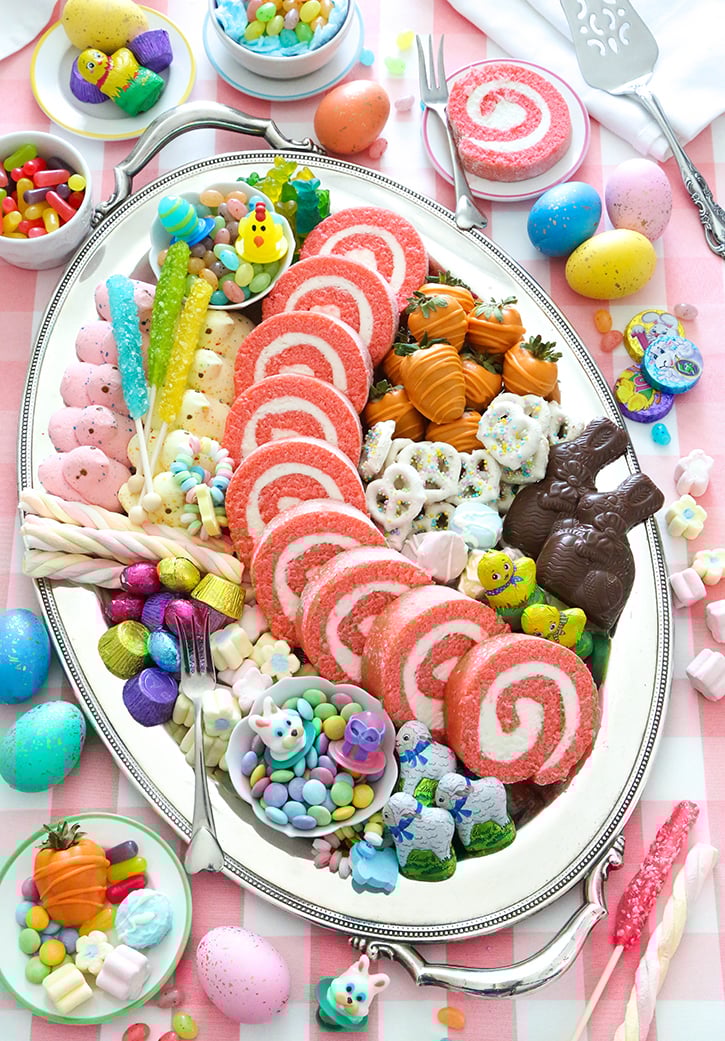
Easter dessert charcuterie boards are a fun, creative way to enjoy sweets. Love the variety and presentation! Perfect for gatherings.
— FoodieSavor (@FoodieSavor) April 12, 2025
Source: https://t.co/G3vShQnVab
No comments yet. Be the first to share your thoughts!