

A Sweet Shift: Gluten-Free Goes Mexican
Mexican desserts are seeing a significant shift. For years, gluten-free options felt separate from traditional Mexican sweets. Now, bakers are bridging that gap, creating delicious treats that meet dietary needs without sacrificing flavor or authenticity.
Many traditional Mexican desserts were naturally gluten-free. Corn was a staple ingredient before wheat arrived, forming the base for countless treats. Over time, wheat flour was incorporated into many recipes, influenced by European baking techniques. Gluten-free bakers are now addressing this historical reality.
The Food and Drug Administration (FDA) sets the standard for gluten-free labeling. A food can be labeled “gluten-free” if it contains less than 20 parts per million (ppm) of gluten. This 2013 clarification provides clarity for consumers with celiac disease or gluten sensitivity and has spurred innovation.
Beyond regulatory requirements, bakers are passionate about recreating beloved flavors and textures accessibly. A willingness to experiment and a dedication to quality are driving this shift.
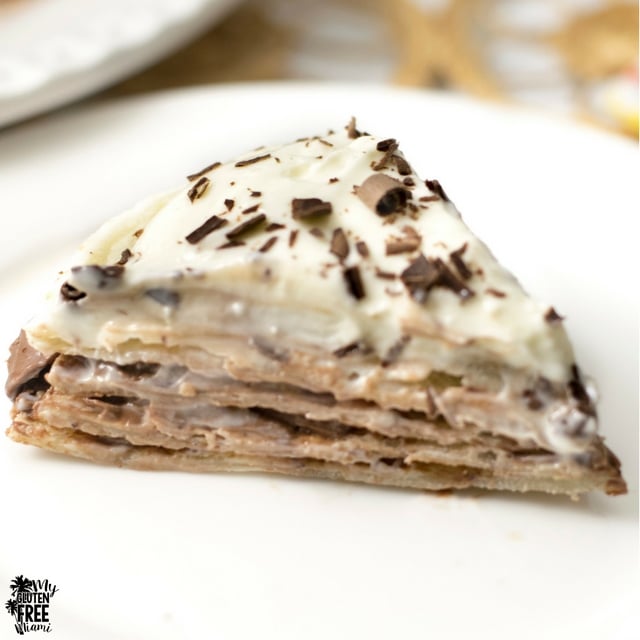
Tres Leches Transformed: Beyond the Sponge
The biggest hurdle in gluten-free Mexican desserts is tres leches cake. Its moist, milky sponge traditionally uses wheat flour, making replication without gluten a challenge. It requires understanding gluten's role in structure and tenderness.
Bakers use alternative flours like almond flour, known for its delicate flavor and moistness but potential for density. Coconut flour adds subtle sweetness but needs careful liquid balancing. Rice flour blends, often with tapioca starch, are common. Cassava flour offers a neutral flavor and good crumb.
Sorghum flour has a mild, slightly sweet flavor and can mimic wheat flour texture well. While not widely used, it shows promise for gluten-free tres leches. The key is finding the right blend, as no single flour replicates wheat flour's properties. A synergy between different flours and starches is needed.
Sweet Sense Gluten Free baked goods (sweetsensegf.com) tackles these challenges. They offer gluten-free cakes, including tres leches, with consistently positive reviews for texture and flavor. Their products are available through Planit Eats.
- Almond flour: Delicate flavor, can be dense.
- Coconut flour: Subtle sweetness, requires liquid adjustments.
- Rice flour blends: Common, often combined with tapioca starch.
- Cassava flour: Neutral flavor, good crumb.
- Sorghum flour: Mildly sweet, promising potential.
Gluten-Free Flour Comparison for Tres Leches Cakes
| Flour Type | Texture Contribution | Flavor Profile | Difficulty to Work With | Overall Rating (1-5 stars) |
|---|---|---|---|---|
| Almond Flour | Tender, slightly dense crumb. Can contribute to a moist texture. | Nutty, subtly sweet. May require flavor balancing. | Moderate. Can be oily if not properly measured; benefits from binding agents. | 4 stars |
| Coconut Flour | Very absorbent, resulting in a drier, more delicate crumb. Requires significantly more liquid. | Distinct coconut flavor. Best suited for those who enjoy coconut. | High. Requires precise measurements and often egg additions to provide structure. | 3 stars |
| Rice Flour Blend | Provides a neutral base, aiming to mimic wheat flour. Texture can vary depending on the blend. | Generally neutral, though some blends may have a slight rice flavor. | Low to Moderate. Blends are designed for easier substitution, but can sometimes be grainy. | 3.5 stars |
| Cassava Flour | Chewy, slightly elastic texture. Can create a good crumb structure. | Mildly sweet, slightly fermented flavor. Often described as similar to yucca. | Moderate. Can be gummy if overmixed; benefits from a longer resting period. | 4 stars |
| Sorghum Flour | Light and fluffy texture, but can be slightly crumbly if used alone. | Mildly sweet, slightly tangy flavor. | Moderate. May require blending with other gluten-free flours for optimal results. | 3.5 stars |
Illustrative comparison based on the article research brief. Verify current pricing, limits, and product details in the official docs before relying on it.
Churro Reinvention: Crispy, Gluten-Free, and New
Churros, crispy cinnamon-sugar coated treats, present a challenge for gluten-free baking. The traditional recipe uses wheat flour for its characteristic texture. Achieving the same crispness and chewiness without gluten requires clever techniques.
Tapioca starch and potato starch are key ingredients in gluten-free churro recipes. These starches create a light, airy texture but often need a binder like xanthan gum for structure. Too much xanthan gum results in a gummy texture; too little provides insufficient support.
Some regional churro recipe variations may lend themselves to gluten-free adaptations. Some use less flour, relying more on frying for crispness. Exploring these variations could unlock new possibilities. Understanding the science behind the texture and replicating it with alternative ingredients is key.
Beyond traditional churros, churro-inspired desserts are rising. Gluten-free churro ice cream sandwiches are popular, offering churro flavor and texture in a new format, often using a gluten-free cookie or brownie base.
Flan and Beyond: Naturally Gluten-Free Stars
Many traditional Mexican desserts are naturally gluten-free. Flan, with its creamy custard base, is an example. Cajeta, a goat’s milk caramel, is another. Fruit-based desserts like paletas (Mexican popsicles) and fruit salads require no adaptation.
Even with naturally gluten-free options, cross-contamination is a concern. If a bakery isn’t 100% gluten-free, flour particles can contaminate flan or cajeta during preparation or storage. Inquire about the bakery’s procedures to ensure the dessert is safe for those with celiac disease or gluten sensitivity.
Less common, regional flans are worth exploring for unique flavorings or presentations. A flan de calabaza (pumpkin flan) is one example. These variations offer a glimpse into Mexican cuisine diversity and gluten-free innovation opportunities.
Regional Innovations: What’s Happening Locally?
Southern California is a hub for gluten-free Mexican dessert innovation. Los Angeles has bakeries specializing in gluten-free treats with Mexican-inspired options. Maria Rodriguez, owner of Dulce Sin Gluten in East Los Angeles, started her bakery after struggling to find gluten-free versions of her grandmother’s recipes.
undefined on recreating traditional flavors using a blend of almond flour, tapioca starch, and a touch of rice flour. She’s particularly proud of her gluten-free conchas, a sweet bread traditionally covered in a sugar shell. “It took a lot of experimentation,” she said, “but I wanted to create something that tasted just like my grandmother used to make.”
San Antonio, Texas, is another region where gluten-free Mexican desserts are gaining traction. The city’s strong culinary heritage and vibrant food scene create a fertile ground for innovation. Several local bakeries are incorporating gluten-free options into their menus, and there’s a growing demand for these treats at local festivals and events. It’s a testament to the power of community and the desire for inclusive dining options.
The 2026 Forecast: Trends to Watch
Looking ahead to 2026, I predict we’ll see even more sophisticated flour blends emerge. Bakers will continue to experiment with different combinations of alternative flours, starches, and gums to achieve the perfect texture and flavor. I think we'll move beyond simple one-to-one substitutions and towards more nuanced blends tailored to specific desserts.
Creative uses of alternative sweeteners will also be a major trend. While sugar is still the most common sweetener in Mexican desserts, there’s a growing interest in options like agave nectar, maple syrup, and even fruit purees. These sweeteners can add unique flavors and reduce the overall sugar content of the desserts.
I also anticipate a greater emphasis on traditional techniques adapted for gluten-free baking. Bakers will rediscover forgotten methods and apply them to their gluten-free creations. This could involve using traditional fermentation processes or incorporating ancient grains like amaranth into their recipes. There is potential for more fusion desserts – Mexican flavors combined with other global dessert traditions, all gluten-free. I also suspect the demand for vegan and gluten-free Mexican desserts will continue to increase.
Finally, I think we’ll see a growing focus on transparency and traceability. Consumers will want to know exactly what ingredients are in their desserts and where they come from. Bakers who can provide this information will have a competitive advantage.
What gluten-free Mexican dessert are you most excited to try?
The gluten-free Mexican dessert scene is evolving with creative alternatives to beloved classics. We want to know which innovation has you most eager to get in the kitchen. Vote below and let the Sweet Sea Man community know where your sweet tooth stands!
Finding Your Gluten-Free Fiesta
So, where can you find these amazing gluten-free Mexican desserts? Online bakeries like Sweet Sense Gluten Free baked goods (sweetsensegf.com) offer nationwide shipping, making it easy to enjoy their treats no matter where you live. Local bakeries specializing in gluten-free options are also a great resource. Don’t be afraid to ask questions about their ingredients and preparation methods.
When reading ingredient labels, look for the “gluten-free” certification. Be aware of hidden sources of gluten, such as malt flavoring or modified food starch. If you’re eating out, inform your server about your dietary restrictions and ask about cross-contamination risks. It's always better to be safe than sorry.
Here are some common questions I get asked:
Q: Are all Mexican desserts naturally gluten-free? A: No, while many traditional recipes were originally gluten-free, wheat flour has been incorporated into many modern adaptations. Always check the ingredients.
Q: What is the best flour for gluten-free Mexican baking? A: There’s no single best flour. A blend of almond flour, tapioca starch, and rice flour often works well.
Q: How can I avoid cross-contamination? A: Choose bakeries that are 100% gluten-free or ask about their cross-contamination prevention measures.

No comments yet. Be the first to share your thoughts!